


09-17 — Parks and Recreation Commission
This is independent coverage by Chula Vista Live Data and is not an official City of Chula Vista statement.
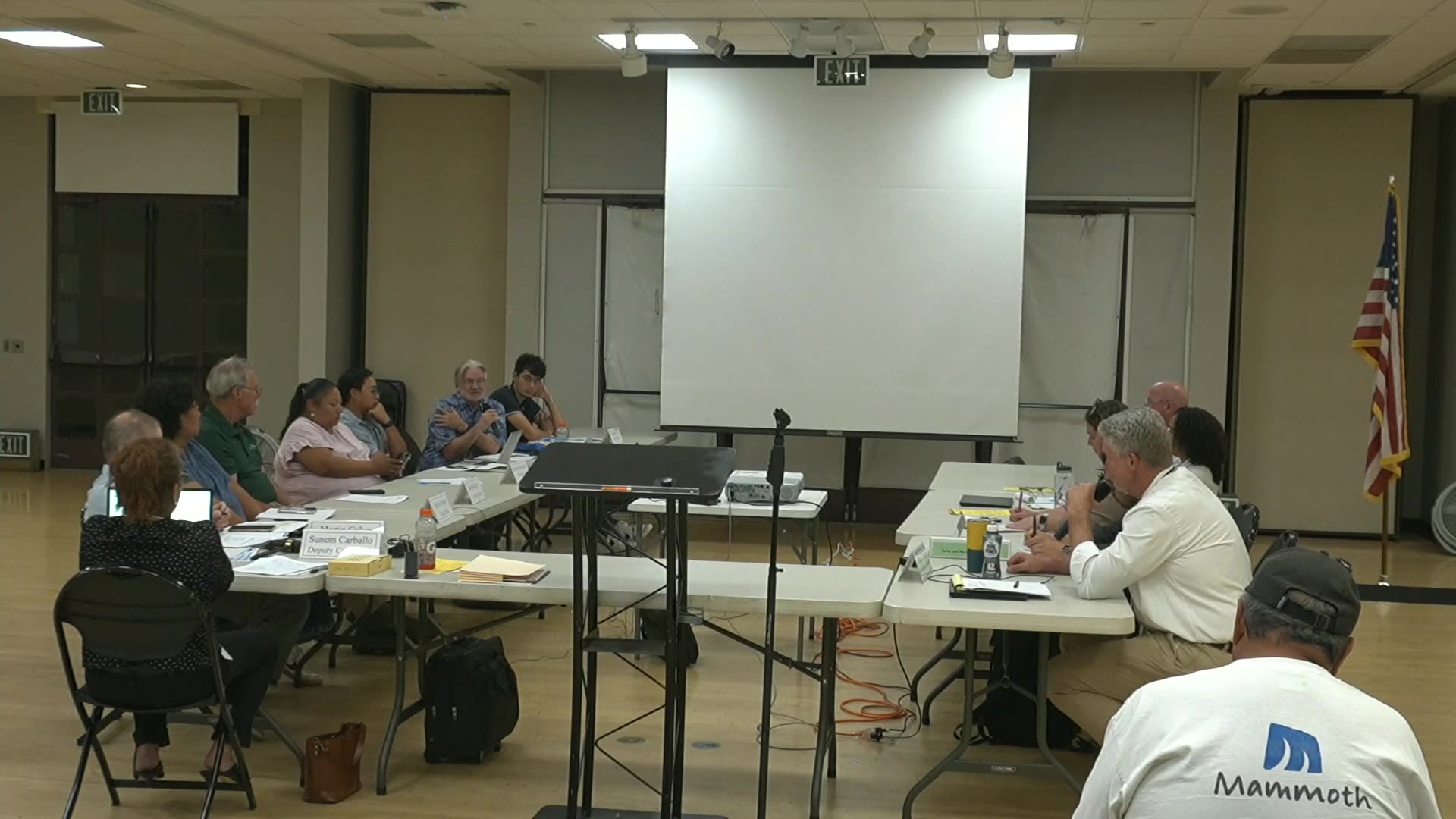
CHULA VISTA – In a comprehensive meeting on September 17, 2026, the Chula Vista Parks and Recreation Commission addressed several key community issues, from the contentious future of a beloved golf course volunteer program and major infrastructure needs to the exciting development of new parks and a critical public safety initiative. The discussions highlighted the city's ongoing efforts to balance financial management, public access, and community well-being across its recreational spaces.
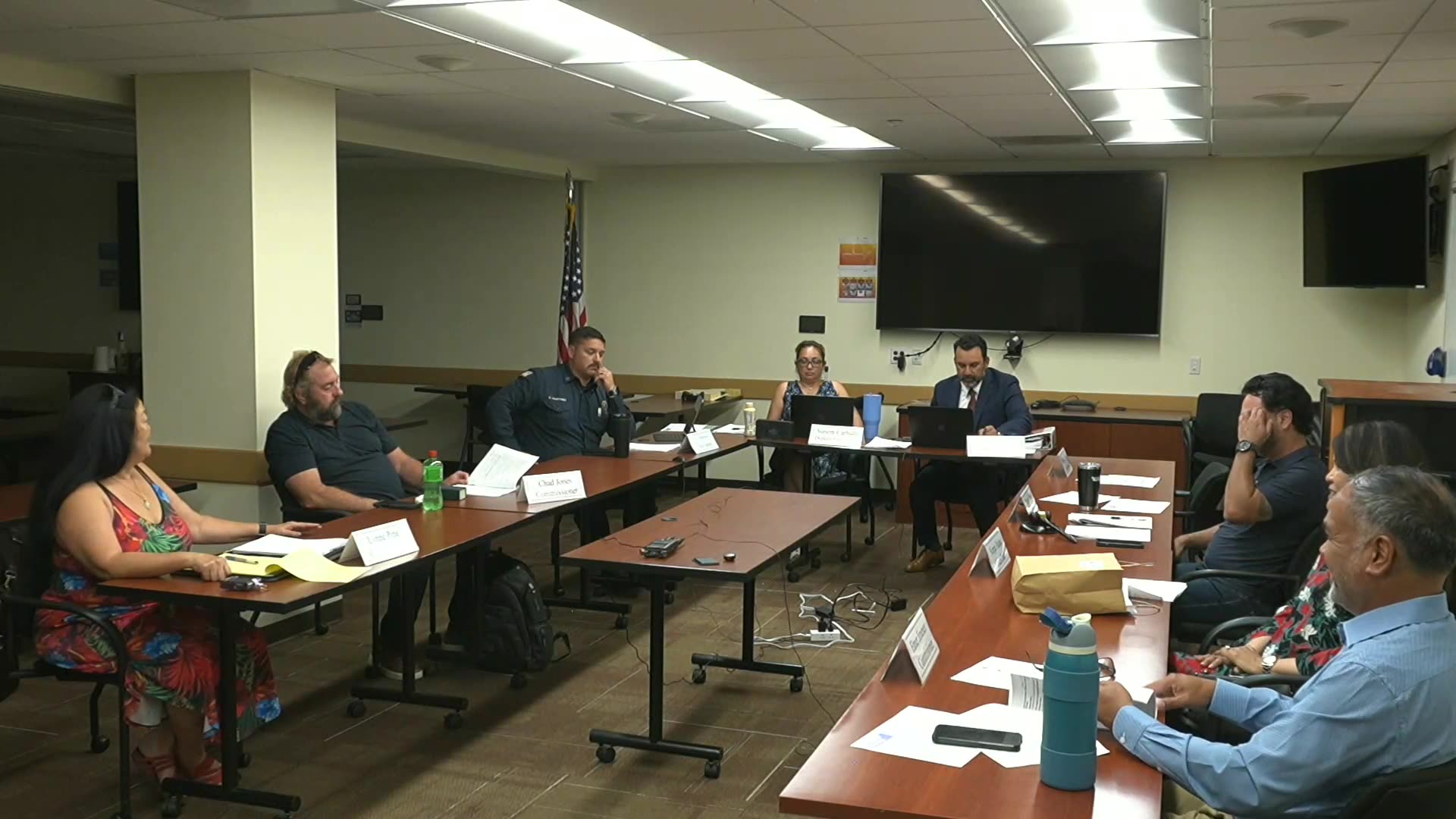
CVLD calendar lock: Parks and Recreation Commission Regular Meeting, Thursday, September 17, 2026, 6:30–8:30 p.m. PT · Norman Park Senior Center Conference Room, Chula Vista, CA.
Meeting page: https://pub-chulavista.escribemeetings.com/Meeting.aspx?Id=6bfd3fd2-c8ff-4e22-8c32-6af707575861&lang=English
A major point of contention was the future of the volunteer ambassador program at the city-owned Chula Vista Golf Course. The course's new operator, Kemper Sports, announced plans to terminate the long-standing program at the end of September, citing corporate policy. This move sparked significant community backlash, with volunteers and supporters arguing the program provides essential services, including managing pace of play and performing maintenance, in exchange for golfing privileges. Sandra Bergman, the ambassador captain, highlighted the program's charitable contributions, stating, "From 2017 to 2026, we've raised over 217 thousand dollars for various charities." Critics also suggested the decision serves the operator's financial interests, as eliminating volunteers would necessitate hiring paid staff managed by Kemper for a fee. The commission also heard that the golf course is facing over five million dollars in necessary infrastructure upgrades, including irrigation and flood control systems. The city is exploring grants and new operator agreements to fund these projects ahead of the current contract's expiration in 2028.
The commission also reviewed plans for several new recreational areas. In Otay Ranch's Cota Vera, the new Village Eight East Park is set to become a central community hub with a modern playground, sports courts, a dog park, and a large event plaza designed for concerts and food trucks. Additionally, the commission advanced plans for the 0.71-mile Edge Trail, which will feature dual paths and scenic overlooks along the southern edge of Cota Vera Phase Two. Though maintained by an HOA, a public access easement ensures the trail is open to all "in perpetuity."
A new public safety initiative was also discussed as Chula Vista pilots the installation of Automated External Defibrillators (AEDs) in city parks, starting with Mackenzie Creek Park. This move comes as the state considers AB 387, a bill that would mandate AEDs at youth sports venues. The city is using a secure, 911-dispatch access model to prevent theft while ensuring the devices are available in emergencies. "We’re still in the pilot project… evaluating safety and security, as well as liability," a staff member noted.
From the financial and operational evolution of the Bonita Valley and Chula Vista golf courses to the creation of modern, connected public spaces, the meeting underscored the complex challenges of managing public assets. As the city moves forward, it faces the critical task of securing investment and adapting its strategies to ensure its parks and recreational facilities remain accessible, safe, and valuable for all residents.
Votes / roll call
(Roll call / vote tallies derived from meeting audio transcript (AI-assisted); pending human verification.)
1) Item 5.1 — approval of minutes — PASSED (with one abstention).
Motion and second; ayes; no opposed heard; one member abstained (new-member discussion on whether to vote on minutes).
2) Item 5.2 — forward Village Eight East Park / Edge Trail master-plan item to City Council for approval — PASSED.
Motion by Commissioner Jones; seconded; ayes; oppose/abstentions called with none clearly recorded as defeating; chair announced motion carries. Exact agenda title soft FLAG if staff packet wording differs — confirm against Agenda link above.
3) Item 5.3 — Memorial Bench / memorial plaque program — recommendation to City Council to proceed with implementation — PASSED.
Motion and second after clarification that action is a recommendation to Council; ayes; chair announced motion carries. ASR briefly said “Parking Commission” — treated as Parks Commission (local CV).
This article was written from an audio recording and reviewed.
LIVESTREAM :
Website : https://www.chulavistalivedata.com