

Seniors on the move: City expands programs and calls for clearer communication
Chula Vista Live Data is an independent community livestream and is not affiliated with the City of Chula Vista. This is a summary of a public meeting.
Meeting information (from the CVLD public calendar)
Health, Wellness, and Aging Commission Regular Meeting
When: Thursday, October 8, 2026, 4:30–6:30 PM PT (posted agenda lists 4:30–5:30 p.m.)
Where: City Hall, Bldg. A, Executive Conference Room #103, 276 Fourth Ave, Chula Vista, CA 91910
Agenda (HTML): https://pub-chulavista.escribemeetings.com/Meeting.aspx?Id=23cb2f8e-dcbb-4d44-b0a5-b8a00ec83e46&Agenda=Agenda&lang=English
Meeting page: https://pub-chulavista.escribemeetings.com/Meeting.aspx?Id=23cb2f8e-dcbb-4d44-b0a5-b8a00ec83e46&lang=English
Meetings calendar: https://pub-chulavista.escribemeetings.com/meetingscalendarview.aspx
Agenda (add-only context from the posted agenda)
- 1. Call to Order; 2. Roll Call — Commissioners Cressler, Edwan, Hernandez-Nader, Johnson, Kurup, Mallen, Montano, Vice Chair Guerrero and Chair Murphy
- 3. Public Comments
- 4.1 Parks and Recreation Department Update: Senior Programs, Services, and Recreation Initiatives — presented by Shaun Ellis, Principal Recreation Manager
- 4.2 Library Department Update: Senior Programming and Services — presented by Mara Cabrera, Senior Librarian
- 5.1 Election of Chair and Vice Chair
- 5.2 Consider Request for Excused Absence(s) — Commissioner Cressler, October 8, 2026
- 5.3 Fiscal Year 2026-2027 Commission Goals and Objectives
- 6. Staff Comments; 7. Chair's Comments; 8. Commissioners' Comments
- 9. Adjournment — to the regular meeting on November 12, 2026, at 4:30 p.m.
Coverage
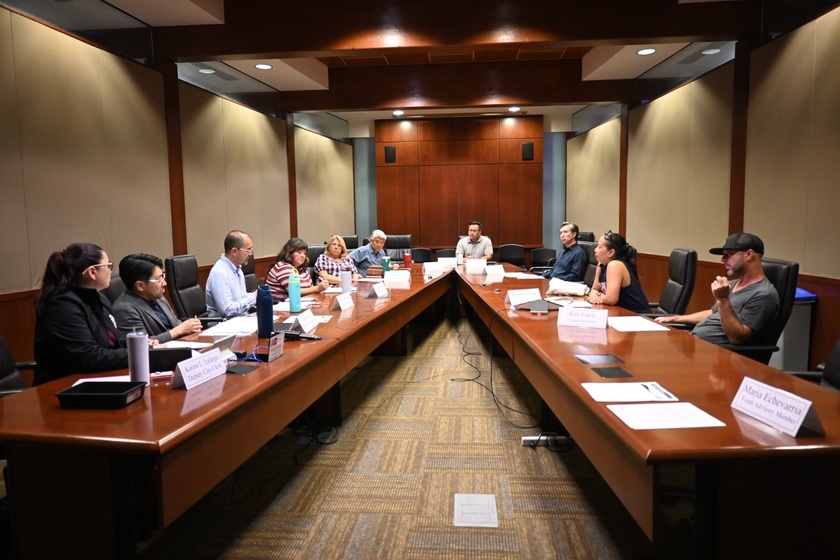
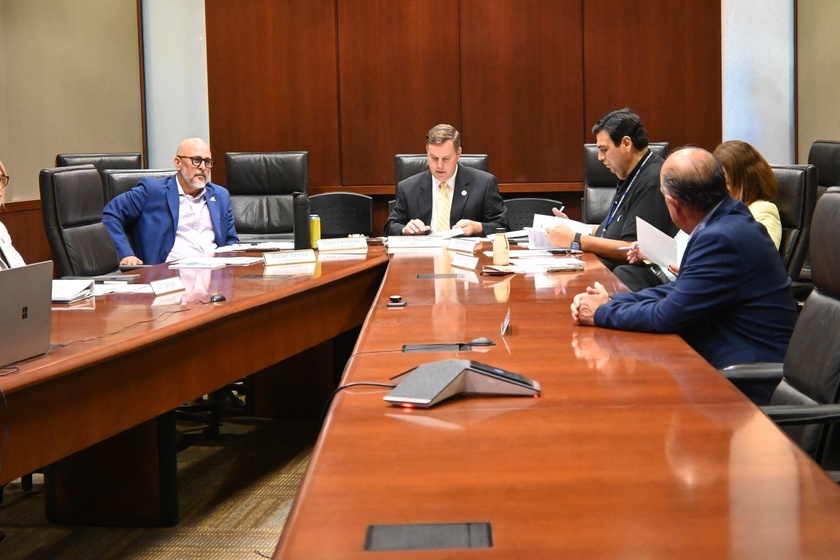
Lead — Who, what, where, when, why, how: On October 8, 2026, the Health, Wellness and Aging Commission met to review senior programming at Norman Park Senior Center and hear updates from city library staff. The goal: boost participation, access, and transparency for older adults through grants, new amenities, and coordinated outreach, implemented via expanded classes, improved facilities, and stronger communication.
At the meeting, Principal Recreation Manager Shaun Ellis of Norman Park outlined a slate of upgrades: brand-new pickleball courts, an outdoor fitness zone open to all ages, and bocce courts the center plans to activate. Programming now welcomes adults 50+, encouraging residents to find a “home base” for healthy aging earlier. “We’re about getting our seniors active,” Ellis said. “It’s about the people.”
A robust grant portfolio underpins free and low-cost offerings: $15,000 from the San Diego Seniors Community Foundation to extend evening pickleball hours; $6,800 to fund popular field trips; NRPA support for “Seniors Teaching Seniors” digital literacy led with high school volunteers; and an annual $30,000 CDBG grant to staff free programs. Seasonal highlights include a Día de los Muertos altar, the Monster Ball, and Operation Gobble turkey distribution scheduled for November 20.
Public speakers pressed for clearer promotion through city channels and transparent audio records of motions, seconds, and roll calls to verify quorums and vacancies, including youth advisor positions. “Roll calls are a way for the public to engage,” one attendee noted.
Library staff from the South Branch showcased expanding services: passport processing by appointment at Pacific, South, and Otay branches; museum passes via Discover & Go; California State Park vehicle passes; and e-media access through Hoopla and Libby, alongside ESL, citizenship, and one-on-one literacy. A pending repair closure at the Civic Branch prompted calls for a continuity plan, while updates on the new Millenia Library—“will be open soon”—were directed to Director of Library Services Joy Watley.
Governance actions included renewing Chair Murphy’s term and deferring the vice chair decision. Commissioners discussed goals to increase public participation, address mental health and isolation, and grow intergenerational programming, with ideas such as walkability audits, transportation briefings, and a visibility brochure supported by a potential council budget request.
As facilities improve and partnerships deepen, one challenge remains: making great services visible and accessible across neighborhoods. If communication keeps pace with momentum, active, connected aging can become a citywide reality.
Meeting highlights (add-only, from the CVLD recordings)
- Operation Gobble: sign-ups start Monday, October 12, at Norman Park. The center is giving away 300 turkeys, and once 300 sign up there are no more. Staff said the giveaway is on November 20.
- The $6,800 field-trip grant has paid for a Padres game and concerts, with a Rancho Bernardo Winery trip coming up.
- Seniors Teaching Seniors started with about 35 high school students from a variety of schools, who earn volunteer hours. Leftover grant money bought iPads, and classes are starting again.
- The No Senior Left Alone grant (received the last couple of years, not yet this year) has paid for free holiday programs: a party before the parade, walking in the parade, a holiday party and a New Year's party.
- New free classes include a Senior Sketch Circle and a book club run with the library. The Soul Walkers walk about two miles on Tuesdays and Thursdays and recently celebrated 10 years together.
- Heritage is rotating supervisors while the regular supervisor is on leave, and offers adult tai chi.
- Chair Murphy offered to connect Norman Park staff with a school district contact to help recruit student volunteers.
- Library: three branches (South, Civic Center and Otay Ranch). Free legal reference help from the San Diego Law Library on the first and third Wednesdays, 11 a.m. to 3 p.m. The food pantry at the Civic Branch, run with Catholic Charities, is open Mondays and Wednesdays from noon to 7 p.m.; register online or by phone. Monthly event calendars are on the library's page of the city website.
- Election of Chair: Chair Murphy was re-elected on a roll-call vote; the motion carried. Monica Montano seconded the nomination.
- Vice Chair: the commission voted to continue the vice chair election to a future meeting; the motion carried.
- Excused absence: the commission excused Commissioner Cressler's absence from the October 8, 2026 meeting on a motion by Commissioner Montano; the motion carried.
- Goals (item 5.3): commissioners named three priorities: more public participation, mental health (support groups and resources), and intergenerational programs. Ideas included a walk audit, presentations on senior isolation, and a commission brochure. On mental health, one commissioner said: "I think mental health is something we should preserve because it's so needed." The item is coming back to the next meeting, and staff will bring a recommendation on how to request funding for the commission.
This article was written from the meeting audio (AI-assisted summary). Votes and roll call have not been checked against official minutes and are pending human verification.
LIVESTREAM : https://rumble.com/c/CHULAVISTALIVEDATA
Website : https://www.chulavistalivedata.com