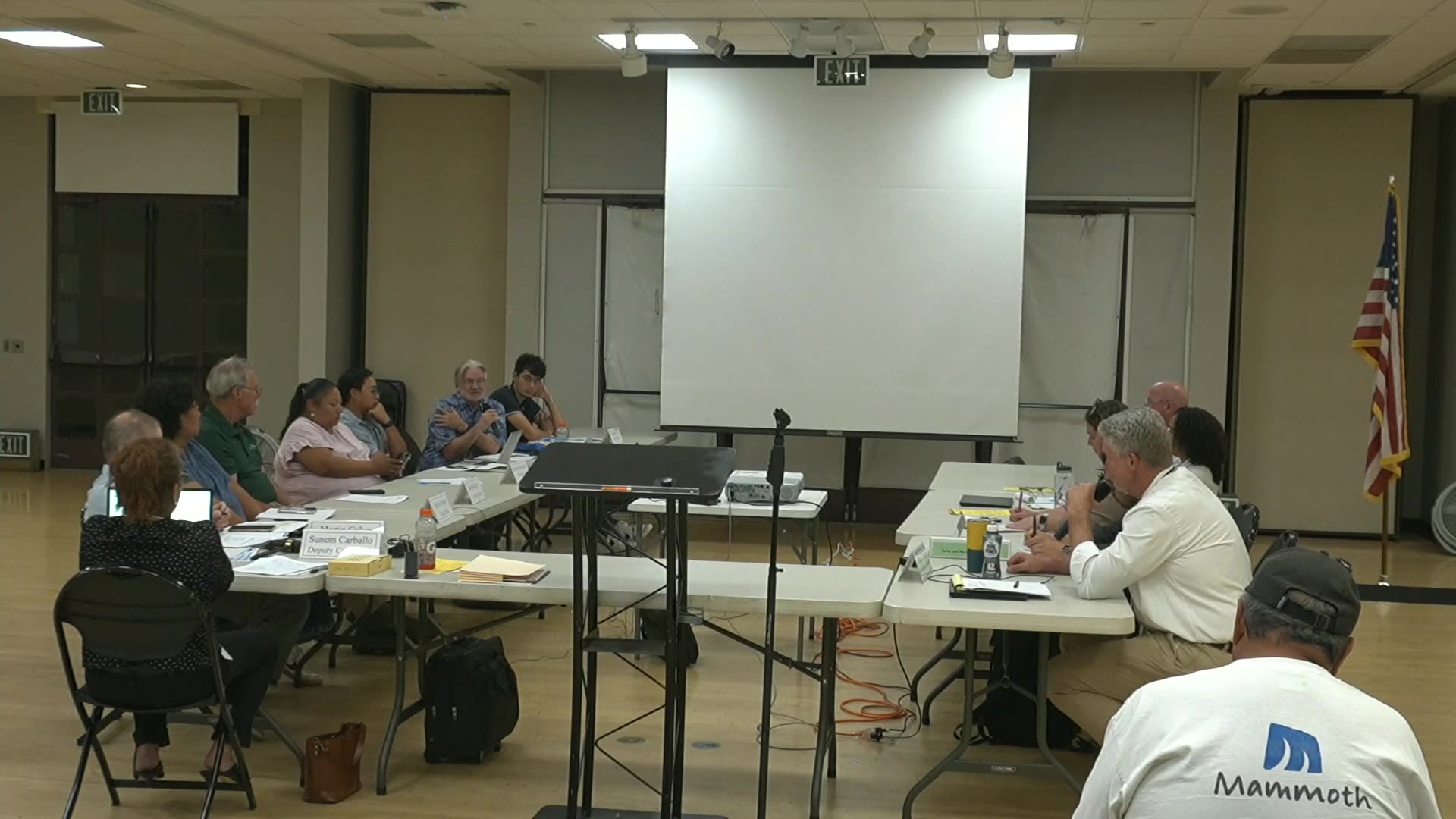
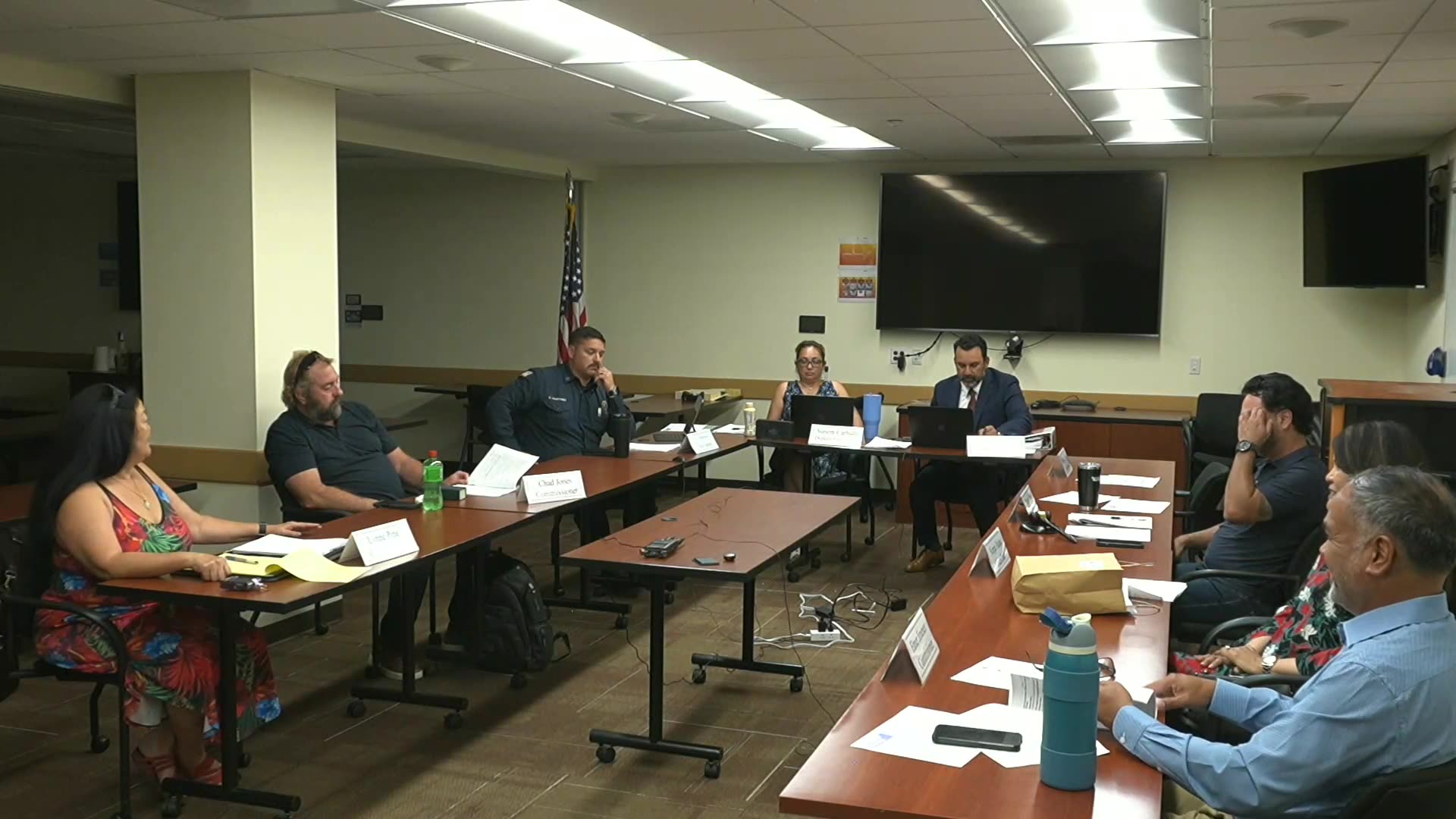
SOUTH BAY — During its first meeting of the year on January 24, the South Bay Water Board of Directors elected its new officers for 2026. Director Hector Martinez was unanimously voted in as the new president, with Director Cox appointed as vice president. The election took place amid growing concerns over potential water rate hikes from the San Diego County Water Authority, a topic that dominated the board's discussions.
The meeting, held in a hybrid format allowing for both in-person and virtual participation, saw the unanimous election of the new leadership team. Hector Martinez will take the helm as president, succeeding the outgoing president, Director Castañeda. Director Cox will serve as vice president, and Director Martinez-Perez was reappointed as deputy treasurer. The new officers will officially assume their roles at the next board meeting.
Beyond the election, a significant portion of the discussion focused on the financial pressures stemming from the relationship with the San Diego County Water Authority. Director Castañeda reported on a previous caucus meeting, highlighting the "exponential increases in rates" that customers could face. The core issue is the County Water Authority's declining water sales projections, coupled with a lack of success in selling its excess water supply.
To compensate for the revenue shortfall, the Authority may be forced to shift more costs onto fixed rates, penalizing agencies like South Bay Water that have invested in their own sustainable water sources and purchase less water. "Unfortunately, for organizations like Sweetwater, who don't buy a lot of water from the County Water Authority, they may force a higher percentage into the fixed rate rubric, which basically would increase our costs, whether we use water or not," explained Director Castañeda.
This potential financial penalty for water independence sparked a sense of urgency among the board members. The discussion pointed to a potential "revolution in the making" as more local agencies develop their own water purification systems and become less reliant on the County Water Authority. The board expressed a firm stance against being punished for its reliability and proactive measures.
The situation is further complicated by the broader water crisis affecting the Colorado River, where shrinking reservoir levels are forcing difficult decisions about water allocation among states. As South Bay Water continues to pursue environmentally responsible solutions that reduce reliance on these strained resources, the board finds itself navigating a complex political and financial landscape where its self-sufficiency could paradoxically lead to higher costs for its customers. The board plans to engage with the County Water Authority and state-level officials to advocate for a fair outcome that does not penalize responsible water management.
AI WROTE FROM AUDIO
EMAIL : [email protected]
For ANY Corrections