CHULA VISTA, CA – The city is intensifying its enforcement of municipal codes, with a particular focus on the illegal long-term parking of recreational vehicles (RVs) on residential properties, unpermitted land grading, and the use of storage containers. Recent public meetings have highlighted the delicate balance officials must strike between enforcing safety and environmental standards and addressing the practical challenges faced by residents amid a regional housing crisis.
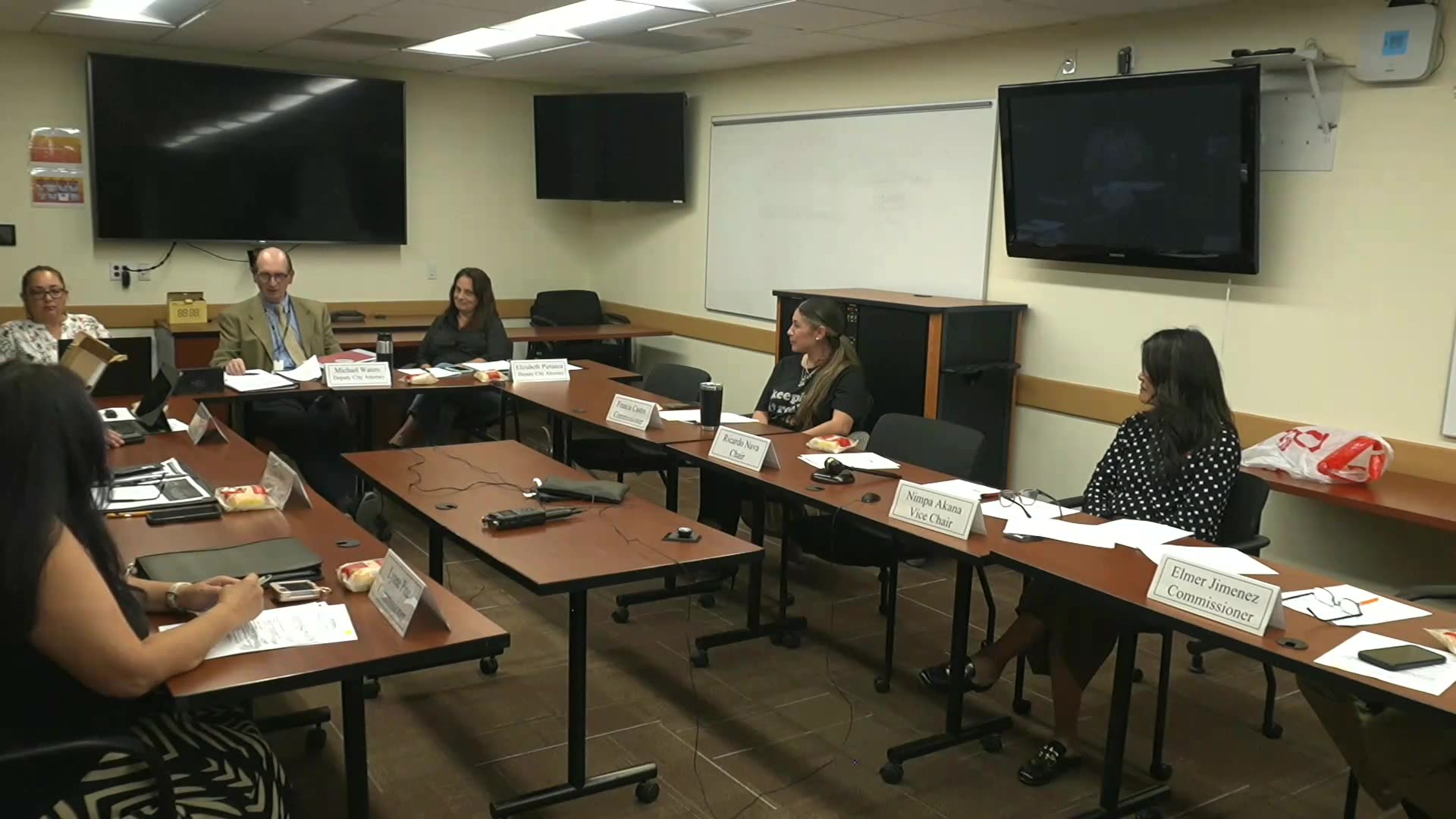
A primary point of contention is the use of RVs as semi-permanent dwellings. While acknowledging the housing crunch, city code enforcement remains firm: using an RV as a primary residence on a residential lot is a violation due to safety concerns, such as fire risks from improper electrical hookups. The rules also target the proliferation of "makeshift RV parks" in residential backyards. Following heated debate, the Planning Commission recently adopted a rule limiting RV occupation on private property to seven consecutive days. "We are talking about backyards with three, four, or even six RVs in very poor condition, which poses real safety problems," one commissioner noted, explaining the goal is to give code enforcement the tools to act on complaints about abusive situations.
Another major issue discussed is unpermitted land grading. Officials clarified that while fines for building code infractions range from $100 to $500, penalties for grading violations can reach up to $25,000 per day. Deputy Director for Development Services, Rebecca Bridgeford, explained the high fines are a tool to compel immediate action on large-scale violations with significant environmental impact. "If you're talking about 250,000 cubic yards, you're talking about 7,000 school buses full of dirt," she stated. However, she assured that for property owners who cooperate to get the proper permits, these large fines are typically "washed away."
The city is also grappling with the growing use of shipping containers and other portable storage units in residential areas outside of active construction projects, which some view as a visual nuisance. At the same time, officials debated fees for nonprofits, with some arguing for a more collaborative approach to avoid hindering the work of community-based organizations like the South Bay Pioneers, a sober living facility provider.
As Chula Vista continues to grow, these discussions underscore the city's ongoing challenge: how to update its regulations to address modern problems while remaining flexible to the needs of its residents. The recent decisions signal a move toward stricter enforcement, but the dialogue between the city and its community remains crucial in navigating the line between regulation and reality.