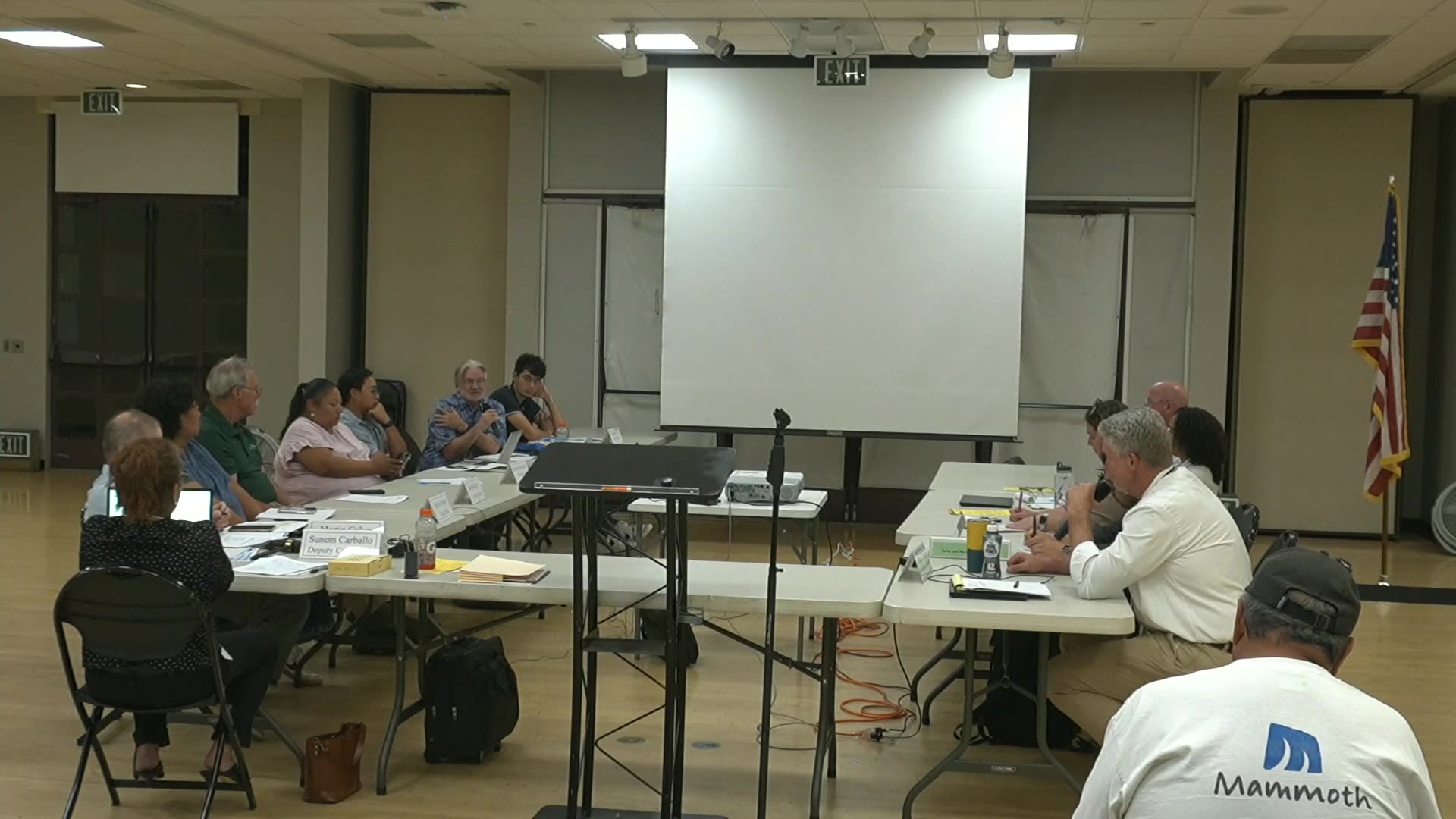
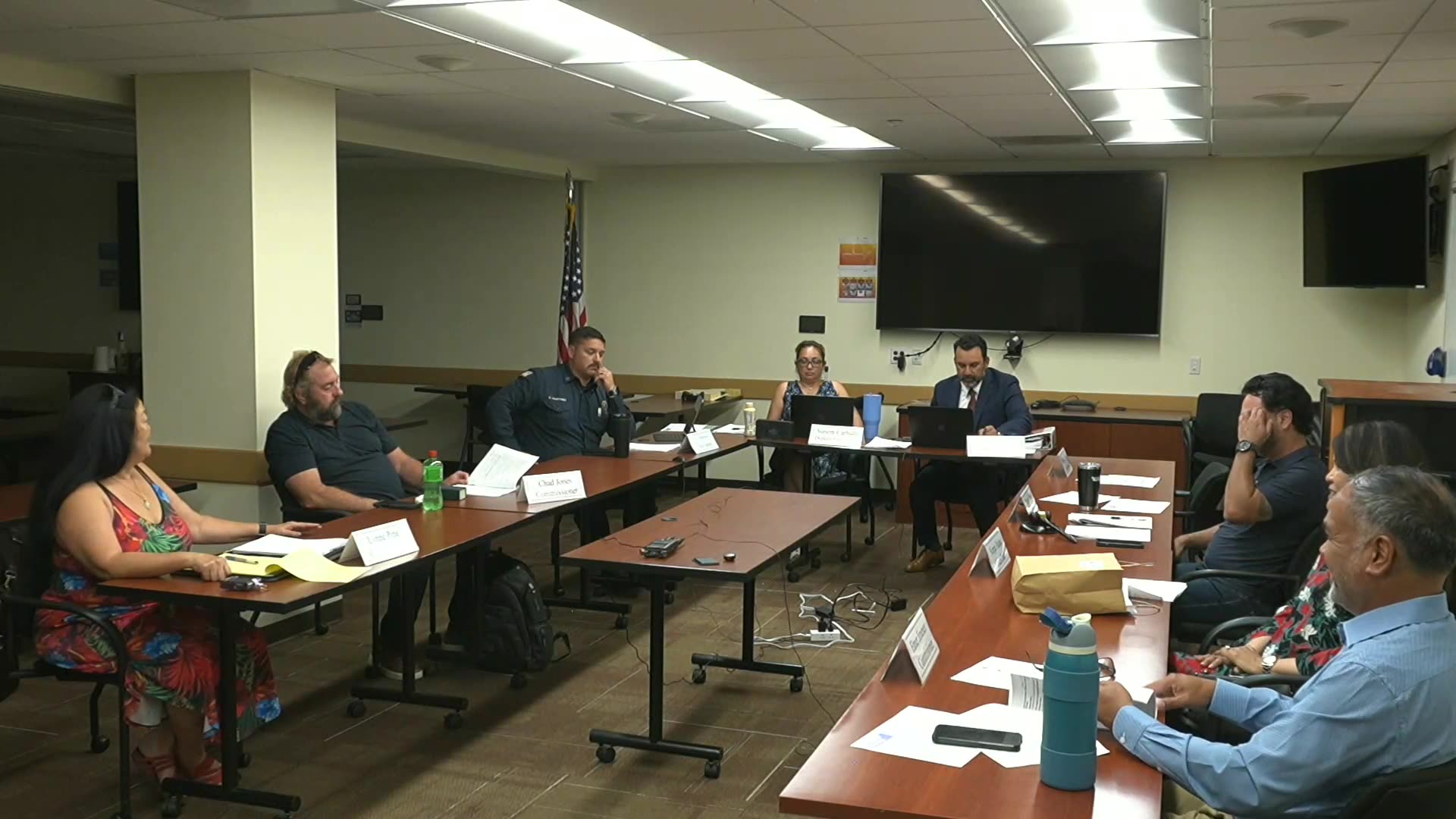
San Diego Community Power (SDCP) opened its January 15, 2026 board meeting at the Port of San Diego Administration Building with a reaffirmation of mission and momentum. Chair Tara Lawson‑Remer, representing the County of San Diego, called the regular session to order, welcomed new staff, and led a unanimous vote re‑electing herself as Chair and Director Marni Yamani as Vice Chair—after public supporters praised the board’s focus on equity and affordable clean energy.
In a ceremonial highlight, SDCP honored Adia Castaneda for nearly four years of service on the Community Advisory Committee, citing her leadership, environmental advocacy, and efforts to deepen transparency and community engagement. “We hereby commend and honor Adia Castaneda for her exemplary service,” Lawson‑Remer said, presenting a proclamation that underscored SDCP’s values and grassroots ties.
The meeting’s core business was consequential: adopting 2026 electricity rates retroactive to January 1. CEO Karen Burns and senior staff detailed a “balanced approach” that delivers the deepest discounts SDCP has ever offered compared to SDG&E, while preserving financial resilience amid volatile markets and a looming PCIA risk. Staff recommended:
PowerOn (default): 4% discount versus SDG&E
PowerBase (affordability option): 10% discount versus SDG&E
Finance Director Timothy Mangumad framed the choice: a conservative 3% default discount would overbuild reserves but miss affordability needs; 5% would risk reserve adequacy. The 4% middle path, paired with a doubled PowerBase discount, maximizes customer savings and protects SDCP’s stability ahead of potential 2027 “PCIA snapback” costs. “We’re offering the biggest rate discount in our five‑year history, while safeguarding the agency for years to come,” Mangumad said.
Customers will also see simpler bills. SDCP is smoothing residential rates year‑round, ending sharp summer spikes, and adding weekday “super off‑peak” hours from 10 a.m. to 2 p.m. to reward daytime energy use. A targeted outreach will expand access to PowerBase, with the participation trigger lowered from 10% to 5% to prioritize communities of concern. As Senior Director Lucas noted, stratified rates ensure every customer receives the same intended discount despite differing PCIA buckets: “We take a people‑centered, data‑driven approach to setting our rates.”
With unanimous votes on consent items and officer elections, SDCP signaled steady governance and community focus. The board’s decision aligns affordability, equity, and climate goals—offering tangible savings today while planning for tomorrow’s uncertainties. As the agency approaches its five‑year service anniversary, the question for the region is how to build on this model: can bold, locally governed power continue to lower bills, expand clean energy access, and fortify resilience in a changing market? The year ahead will test—and showcase—San Diego’s commitment to an equitable, renewable future.
AI WROTE FROM AUDIO
EMAIL : [email protected]
For ANY Corrections