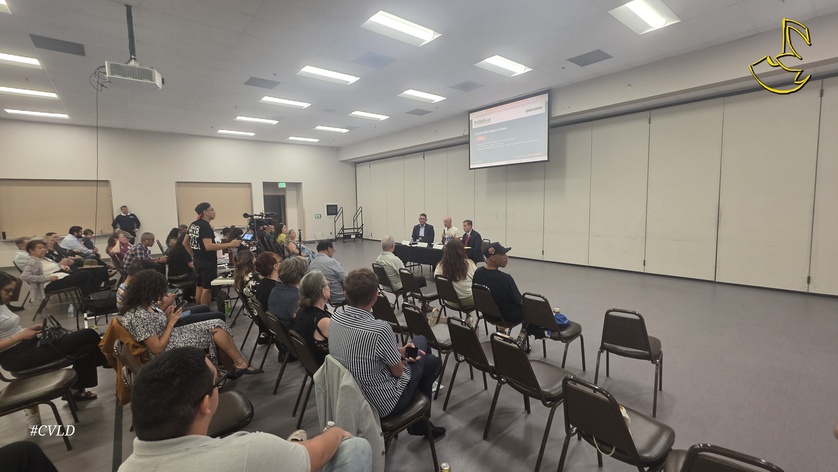
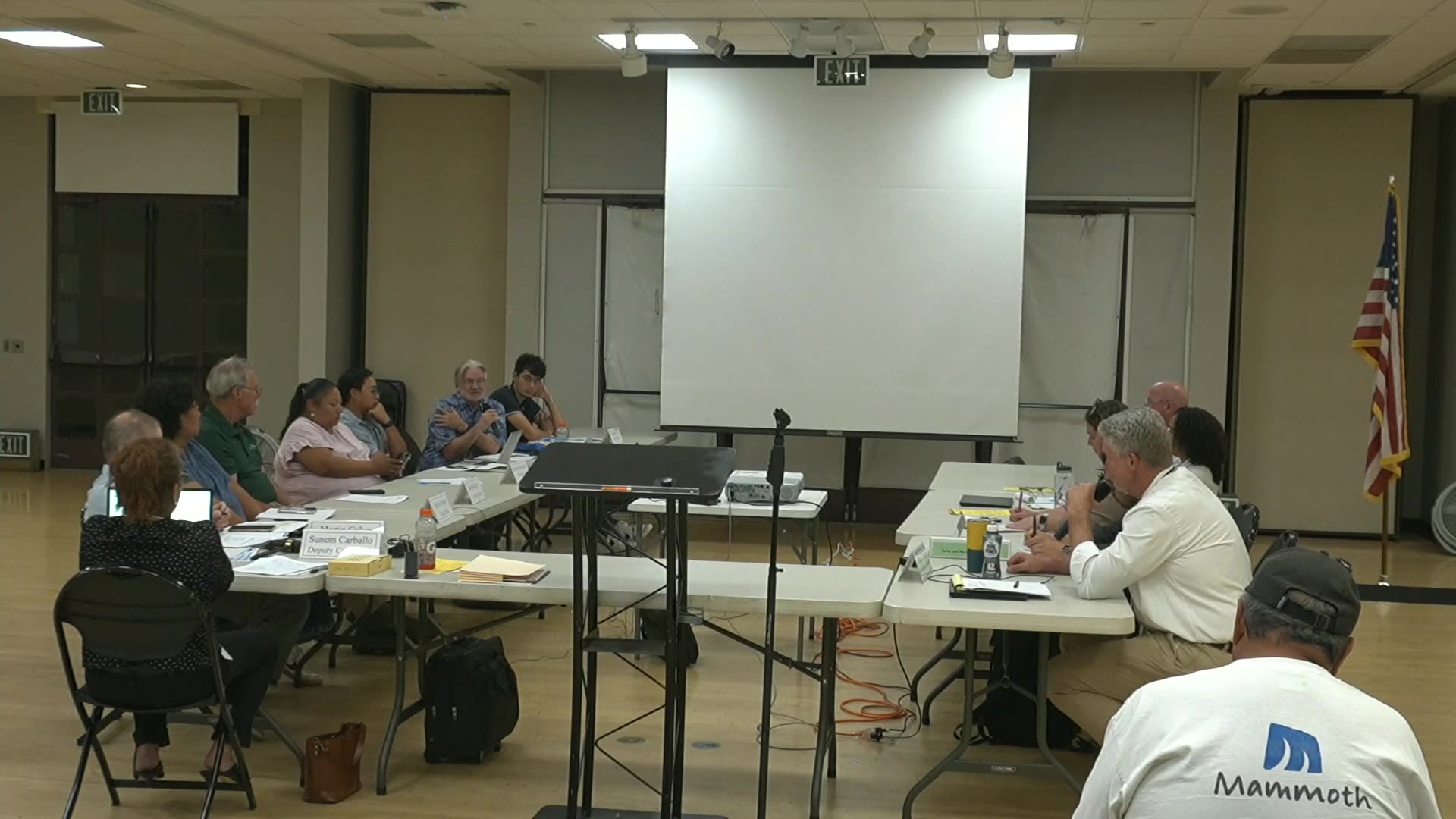
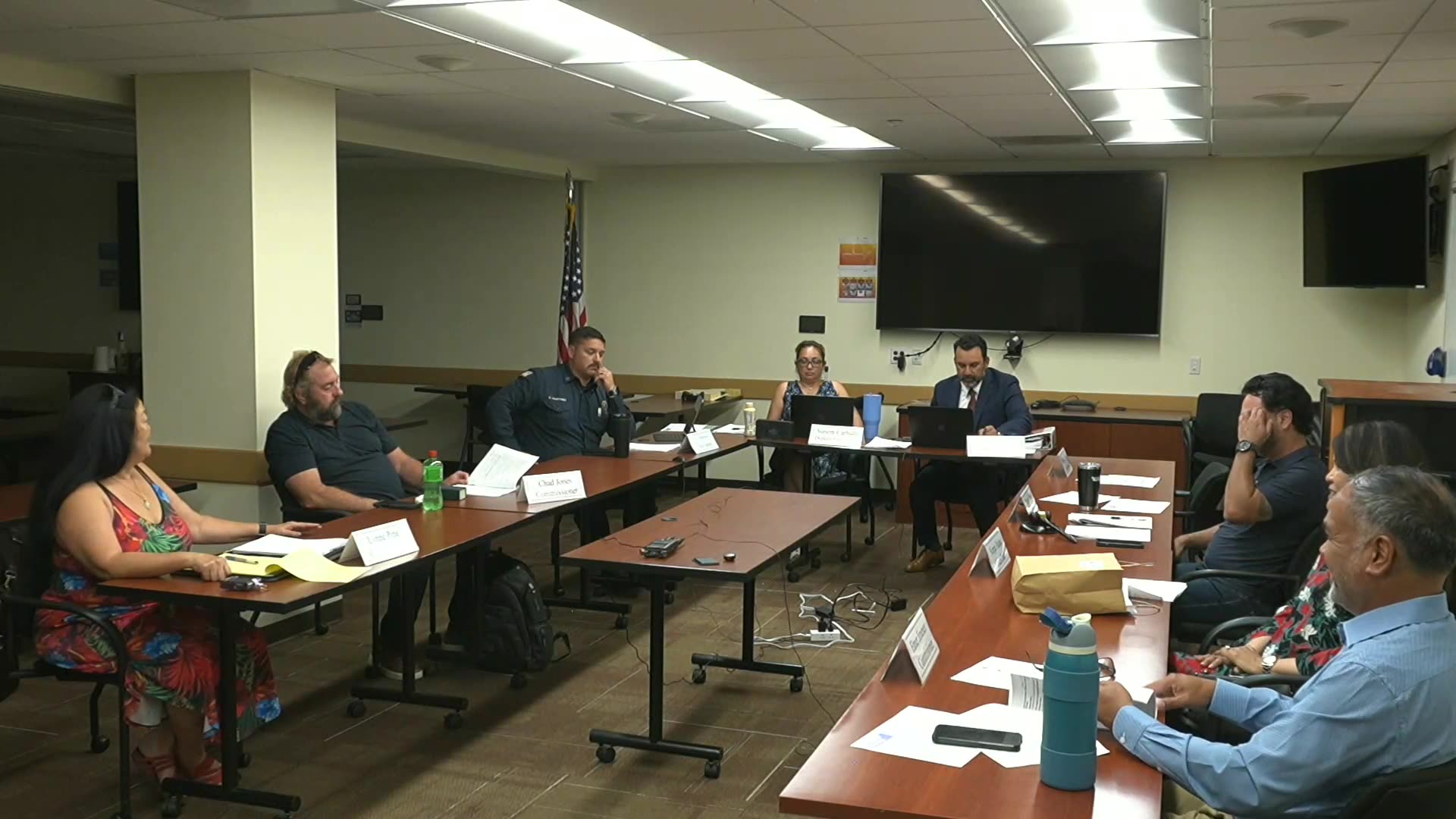
San Diego — On March 6, 2026, at 9:00 a.m., the SANDAG Executive Committee convened its meeting with a focus on accessibility, respect, and public engagement, setting a measured tone for a session that drew passionate comments on child safety, environmental health, transportation, and governance.
The meeting began with a reminder on how to access live interpretation both in-person and via Zoom, underscoring SANDAG’s commitment to inclusion for English and Spanish speakers. A land acknowledgment followed, honoring the unceded homelands of the region’s 18 tribal nations—Kumeyaay, Tiipai/Ipai, Luiseño, Cupeño, and Cahuilla—and reaffirming aspirations “to learn from Indigenous traditional knowledge… in undoing the injustices of the past.”
With quorum confirmed, the Chair opened non-agenda public comments. Community voices raised urgent issues:
A speaker announced a children’s advocacy march in downtown San Diego on March 7 from 10:00 a.m. to 12:00 p.m., urging leaders to “put your money where your mouth is and join us,” and calling attention to child abuse and trafficking concerns.
Residents Perdita and Cesar Javier, District 9 volunteers, detailed long-standing neighborhood problems, including alleged ceramic kiln emissions since 1984, fast-moving traffic, and a series of home invasions. “Please don’t ignore and neglect the victims,” Cesar implored, tying local public health to broader environmental crises like Tijuana River Valley sewage pollution.
Transit users reported confusion at the Escondido Transit Center, citing unclear signage for Rapid Express routes 280/290. “How would anyone know if you didn’t already know?” a commenter asked, pressing for better wayfinding.
Several speakers criticized recent board conduct and transparency, referencing delayed meeting starts, retreat planning, and consent agenda items—particularly biometric technology contracts and audit selections—urging clearer documentation and remote comment access.
Ahead of the consent agenda, the Chair reiterated time limits and decorum. Comments on agenda items pressed for:
Publishing retreat locations and enabling remote participation to comply with equitable access policies.
Strengthening data governance and consolidating overlapping work groups to reduce staff burden.
Reconsidering tolling, improving Coaster fares, and aligning climate and housing task forces with community needs.
Addressing regional housing policy implications of state-level measures and maintaining flexible, evidence-based planning.
The session’s most resonant theme was accountability—both to process and to people. “Your job is not to roll your eyes at constituents,” one speaker said, demanding responsiveness from local leaders. Another framed the moment succinctly: “We need a ball that is straight,” urging balanced, principled decision-making beyond political extremes.
As SANDAG proceeds with its retreat planning and ongoing policy deliberations, the March 6 meeting underscored how local governance intersects daily with safety, health, mobility, and trust. The questions posed—about how decisions are made, who benefits, and whether systems truly serve residents—invite a broader reflection: Can regional institutions meet community expectations for transparency and care while navigating complex, often polarized challenges? The answer will shape San Diego’s path forward.