DRAFT1
Volunteers and Infrastructure Drive Spring Momentum for Otay Water Region
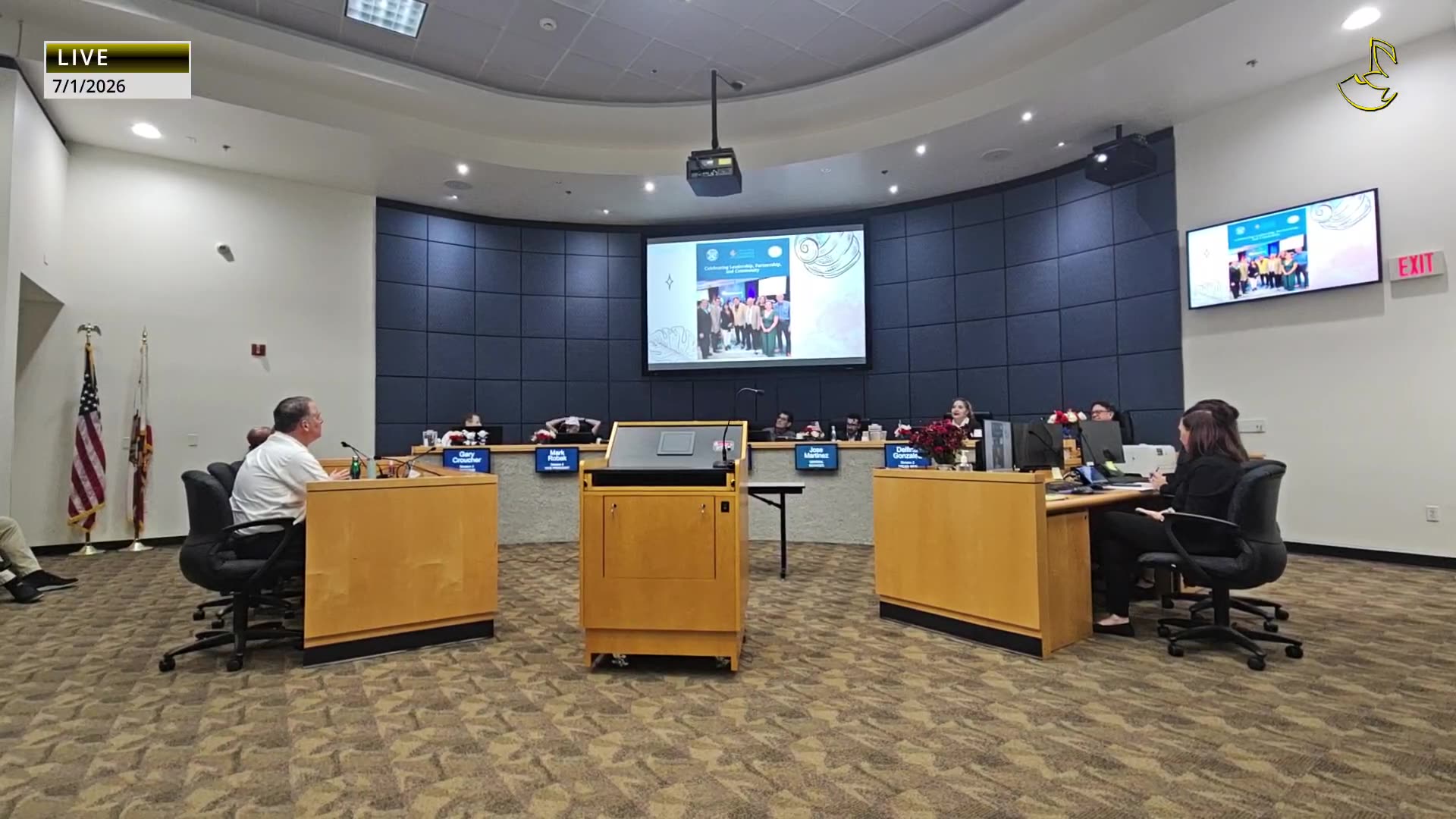
On March 4, 2026, at the Otay Water District board meeting in East County, two converging stories of local resilience took center stage: a volunteer-powered spring surge at the Water Conservation Garden and disciplined progress across Otay’s 2026 Capital Improvement Program. Together, they underscore how community action and robust infrastructure planning are shaping water-wise futures across the South Bay.
The Water Conservation Garden announced a packed spring calendar to boost fire-wise and water-wise education. A small in-person gardening workshop is set for March 14 at the Garden, complemented by ongoing online sessions. “It’s a very small workshop, so you’re going to have to get your registration in pretty soon,” a Garden representative said, noting expanded access via multiple county locations. Volunteer recruitment remains pivotal: with 6,992 volunteer hours logged as of January, quarterly trainings aim to add at least 10 new helpers, seven of whom joined the first session. The Garden’s community staples return, including Tomato Mania this week with 200–300 plants, and the Spring Garden and Butterfly Festival on May 2, backed by a $5,000 sponsorship from volunteer Dr. Richard Wright. Exhibit upgrades are underway, notably a Firewise Garden renovation with clear defensible-space signage and new funding from the County of San Diego for home-preparedness outreach.
On the infrastructure front, Otay reported 149 active CIP projects totaling $19.7 million, with $8.8 million spent by the second quarter—about 45% of the annual plan—and a year-end execution target near 95%. Highlights include a Trojan UV disinfection system undergoing testing, rapid construction at the 870 Reservoir in Otay Mesa (“It took 71 concrete trucks”), coatings and corrosion protection at the 1485 Reservoir, pump station upgrades, and pipeline work integrated with Chula Vista’s Heritage Road Bridge. Financial controls earned praise, with net construction change orders in the negative and consultant changes at 1.54%, well below the district’s 5% benchmark.
Regionally, a state sanitary survey completed on February 9 will deliver findings within 90 days, while San Diego advances interstate Colorado River transfer mechanisms to leverage surplus supplies amid evolving local projects. “We’re doing all we can to help sell some of those supplies,” district representatives said, as stakeholders weigh resilience against affordability—particularly with high-cost proposals like Southern California Pure Water.
Context: board update and community initiatives. As volunteers cultivate stewardship and engineers deliver critical assets, the question remains: how can local institutions sustain this dual momentum to meet growth, climate risk, and cost pressures in the years ahead?