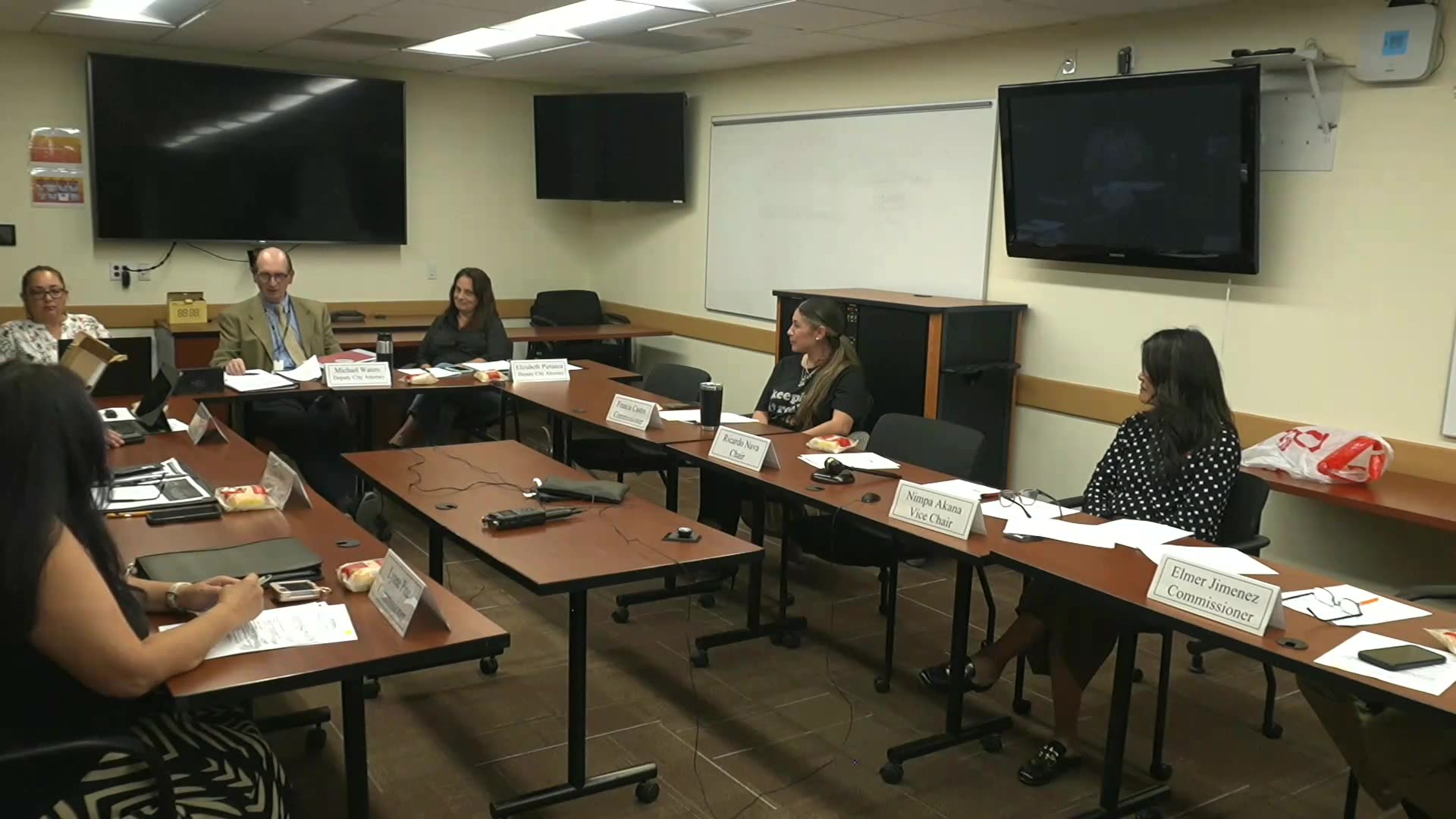
San Diego — On March 11, 2026 at City Hall, the City’s Audit Committee convened a packed hybrid hearing examining emergency response performance and internal financial controls, signaling a push for transparency and measurable improvements as 911 demand rises and the city faces a $119 million deficit.
Lead: Auditors and San Diego Fire-Rescue (SDFR) detailed a performance audit of more than 300,000 high-priority medical calls from FY2023–FY2025, finding systematic delays tied largely to “turnout time” — the interval from dispatch to wheels rolling — and recommending standardized measurement, annual public reporting, and clearer explanations of dispatch tradeoffs.
Who: Chaired by Councilmember Moreno, the session featured Vice Chair Foster, Committee Members Halpern, Maffia, and Tabshury, City Auditor Andy Henel, SDFR command staff, Finance Director Ben Battaglia, Chief Accountant Jeff Peele, and representatives from the IBA and Economic Development.
What: The audit noted that triage-first dispatch, introduced to reduce cancellations and crew fatigue, adds about 1 minute 26 seconds to fire unit dispatch, with turnout standards met only 1–6% of the time. Echo-level medical calls (about 1.6% of incidents) receive simultaneous engine and ambulance dispatch. “Improving turnout time is the most cost-effective way to enhance response in the short term,” an auditor said.
Where: City Hall chambers and an online webinar, reflecting the city’s hybrid engagement model.
When: Findings were presented on March 11, 2026; the committee requested fuller response metrics and outcome analyses for June 2026. The IBA also announced an April 7, 2026 Council item to reappoint public member Mr. Tabshury, with recruitment underway for a forthcoming vacancy.
Why: Officials aim to balance speed, resources, and safety amid rising calls and constrained budgets, while strengthening public trust through clear metrics and robust internal controls.
How: SDFR and auditors outlined data automation efforts, GPS-based tracking, and upcoming standards-of-coverage modeling to test station placement. Finance staff reported strong citywide controls and corrective steps on grant reporting and lease revenue systems. “Strong internal controls are essential to maintaining public trust,” the chair emphasized.
“Each minute of delay in aid for critical emergencies can reduce survival chances by up to 10%,” auditor Megan Jaffrey noted, as residents urged action and questioned street designs that may impede access.
As San Diego weighs station investments, dispatch reforms, and SAP modernization, the city faces a broader choice: can transparent metrics and disciplined operations translate into seconds saved — and confidence restored — when lives are on the line?
Wrote with AI from Audio
EMAIL : [email protected]