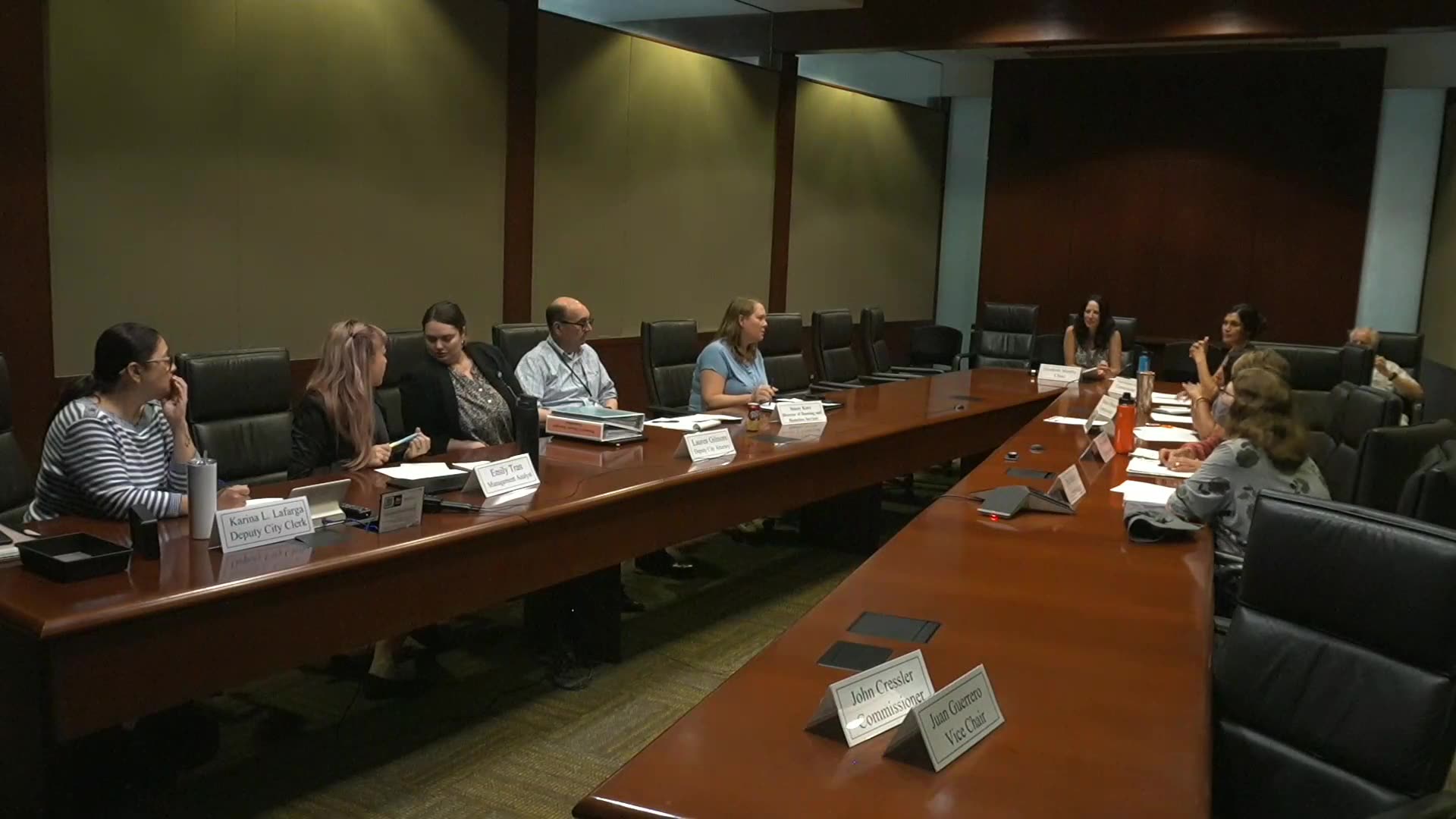
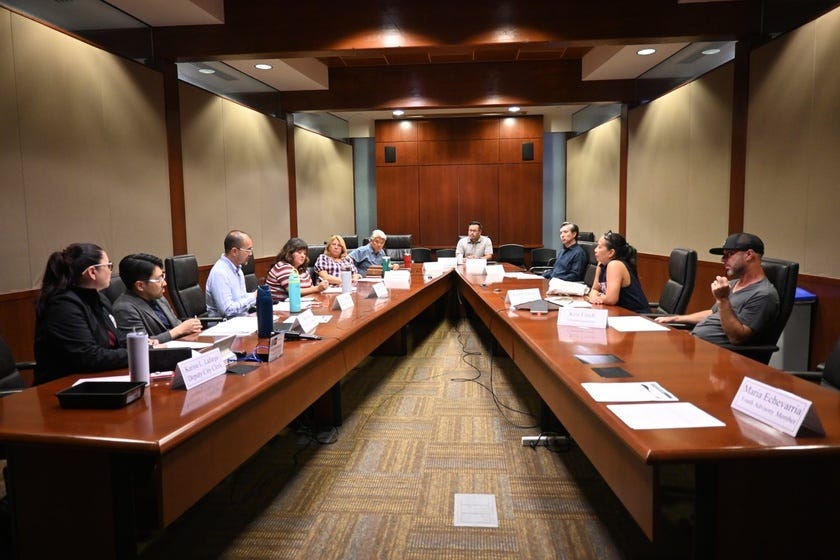
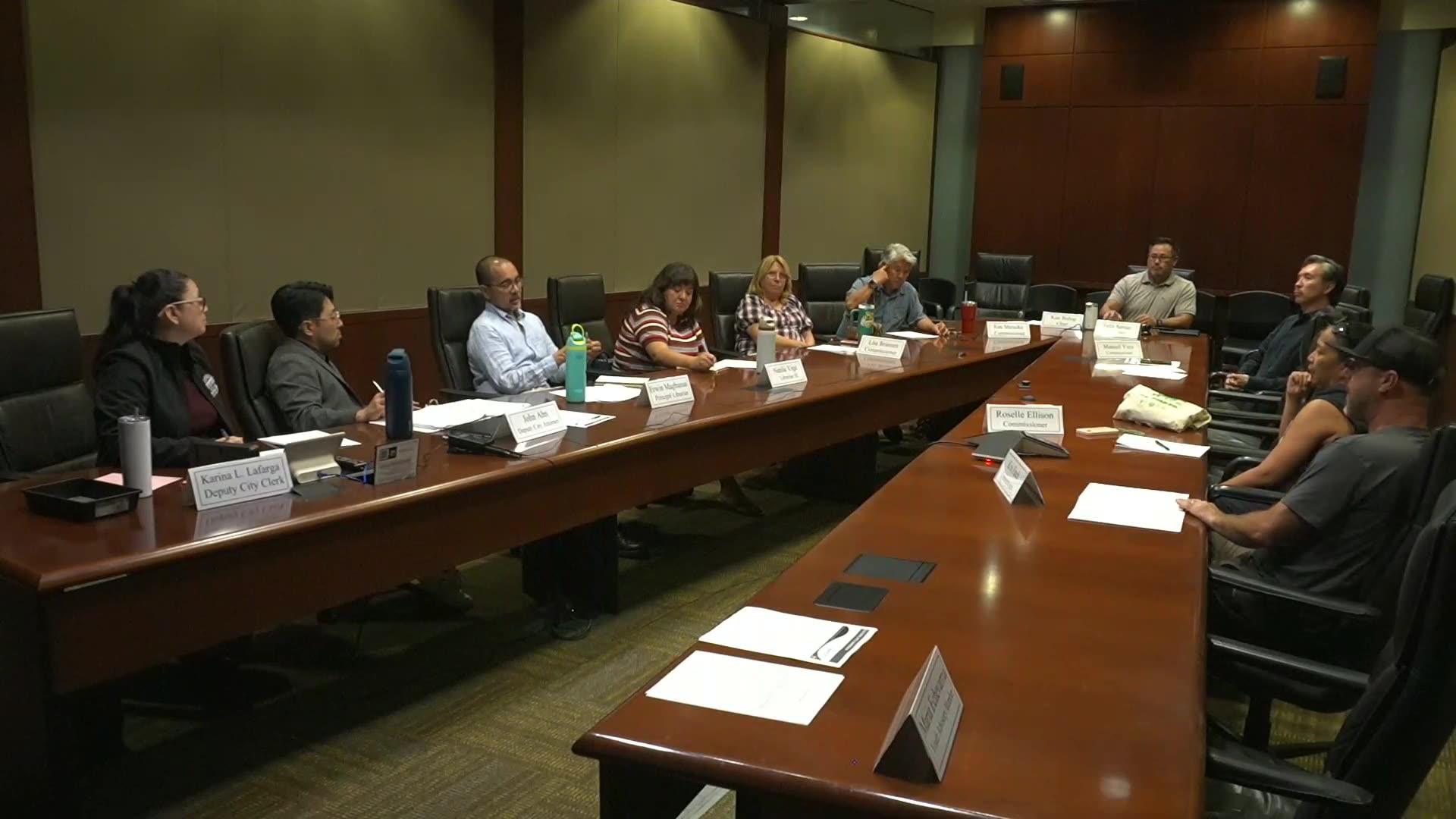
Lead — On March 12, 2026, at 6:00 p.m., Chula Vista’s Traffic and Safety Commission tackled curb management and safer mobility, reviewing a one-hour parking plan on Millenia’s Metro Avenue and tracking progress on active transportation projects linking the bayfront and downtown.
Who, what, where, when, why — The seven-member commission considered a staff proposal to convert 91 unrestricted diagonal parking spaces on Metro Avenue into one-hour parking from 8:00 a.m. to 6:00 p.m.. The specific segment spans from Stylus Street to Optima Street. The aim is to increase turnover for storefronts in a high-occupancy mixed-use corridor. Staff noted that a local business owner requested the change and provided signatures of support from nearly all fronting businesses, including Hotworx, Caro Brow Bar, Yourmuse Tattoo, and IP Cutz Eastlake, as well as support from the Avalyn residential complex leasing office and the local Homeowner’s Association management.
How — Staff recommended uniform rules to be applied to both the west and east sides of the street. The City’s Public Works Signage and Striping crew will install the 1-hour time-limited parking signs. The Traffic Safety Commission was asked to recommend that the City Council approve the change, while delegating authority to the City Traffic Engineer to modify the duration of the time restriction based on future observations.
Broader mobility agenda — Staff also outlined steps toward a safer, greener network. Updates included an expanded design for Bayshore Bikeway Segment 6A, which shifts from an original 10-foot concept to a 15-foot shared-use path to accommodate existing ridership of roughly 800 bicyclists per day. Additionally, the city is pursuing a grant for F Street Promenade Phase Two to connect Broadway and Fourth Avenue. According to the streetscape master plan, the goal is to enhance the corridor for pedestrians and bicyclists "without sacrificing levels of service and vehicle operations". Separately, the federally backed Palomar Street Rail Grade Separation project, which received a $21.5 million RAISE grant, advances a plan to eliminate a rail crossing that causes frequent delays and has been the site of 85 accidents over a 10-year period.
Transparency and safety — The Chula Vista Police Department presented an update on traffic collisions and citations, tracking accident trends and completely processed citations through early 2026 to monitor ongoing safety in the corridors. The city is also advancing pedestrian safety infrastructure through the Capital Improvement Program, including upgrades to pedestrian hybrid beacons and mid-block crossings near local schools.
As developments like Millenia fill in, the question grows sharper: can consistent curb policies, active transportation investments, and long-term corridor design keep storefronts accessible by day—and streets safe and welcoming for all?
Wrote with AI from Audio
EMAIL : [email protected]
DRAFT1 ----------------------------------------------------------------------------------------------
Lead — On March 12, 2026 at 6:05 p.m., Chula Vista’s Traffic and Safety Commission tackled curb management and safer mobility, backing a one-hour parking plan on Millenia’s Metro Avenue and reviewing progress on active transportation projects linking the bayfront and downtown.
Who, what, where, when, why — The seven-member commission, supported by city engineers and CVPD Traffic Bureau staff, heard a staff proposal to convert 91 unrestricted spaces on Metro Avenue between Silas and Altamont into one-hour parking from 8 a.m. to 6 p.m., Monday to Friday. The aim: increase turnover for storefronts in a high-occupancy mixed-use corridor. Staff said businesses along the frontage unanimously petitioned for the change and the local HOA expressed support; prior resident concerns appeared tied to confusion over daytime versus 24-hour limits.
How — Staff recommended uniform rules across both sides to prevent spillover and simplify enforcement, with signage and citations (towing only after 72 hours). Commissioners discussed phasing or reserving spaces for individual shops, but staff noted public curb space must be managed consistently under the Millenia plan. “It’s only during business hours… signage only,” staff emphasized.
Voices from the corridor — “We’ve had a 20% decline of customers literally because of parking,” said Michelle Soto‑Saenz, co-owner of Hotworx Chula Vista, citing 30–60 minute sessions that depend on quick turnover. She also flagged safety and access challenges after 6 p.m., describing a vehicle parked in front of the studio for “over 20 days.”
Broader mobility agenda — Staff also outlined steps toward a safer, greener network. Updates included a widened design for Bayshore Bikeway Segment 6A (E Street to F Street along Bay Boulevard) and a grant pursuit for F Street Promenade Phase Two to connect Broadway and Fourth Avenue without cutting vehicle level of service. “This plan will provide multi‑modal access… without sacrificing level of service to vehicle operations,” staff said. Separately, the federally backed Palomar Street Rail Grade Separation advanced in design to eliminate a Blue Line crossing and reduce crashes and delays.
Transparency and safety — Commissioners committed to steadier meetings, clearer agendas, and expanded public education on RRFBs, PHBs, and e‑bike rules. Police reported no traffic fatalities in February, alongside DUI and pedestrian‑involved collisions since February 12, 2026.
As Millenia fills in, the question grows sharper: can consistent curb policies, targeted enforcement, and long-term corridor design keep storefronts accessible by day—and streets safe and welcoming after 6 p.m.?