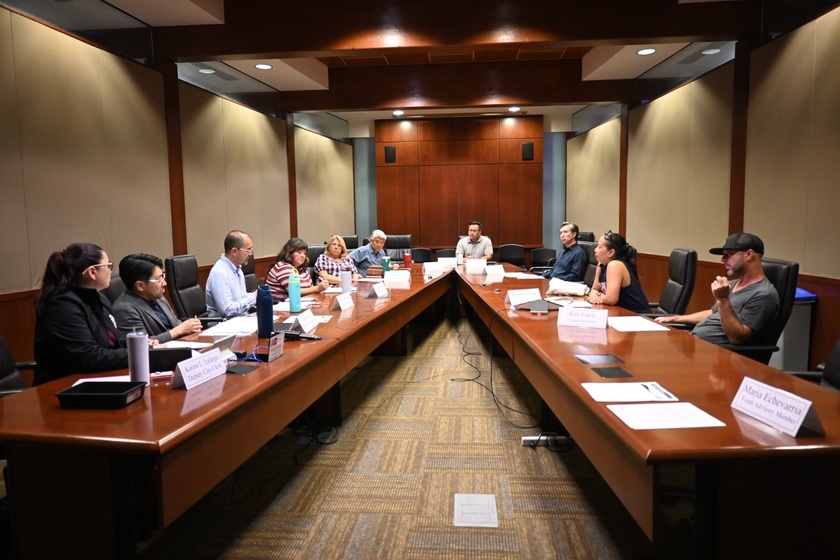
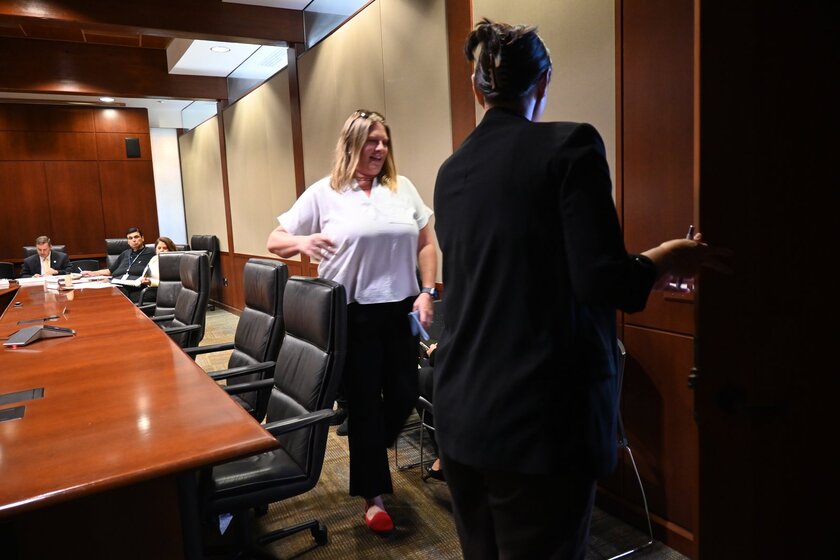
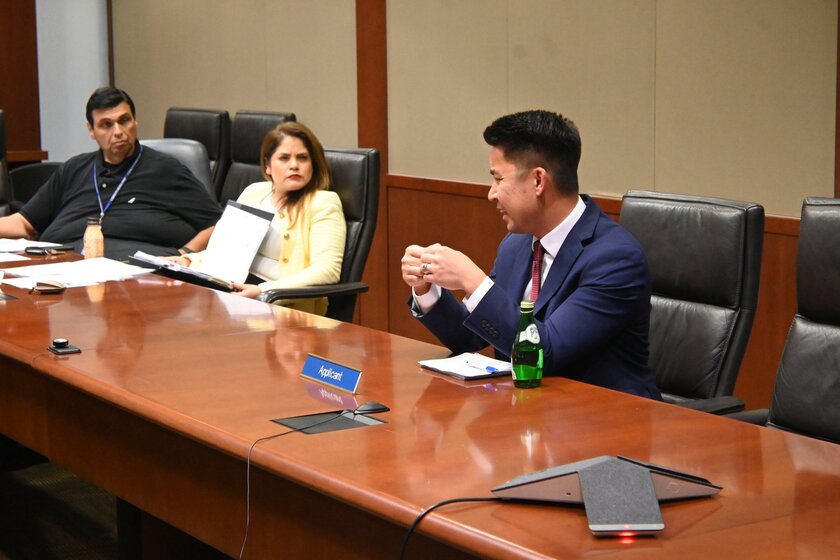
OTAY MESA – The Southwestern Community College District Governing Board convened Monday evening to address a series of high-impact resolutions and fiscal commitments that could redefine the campus’s relationship with federal law enforcement and its own emergency preparedness.
A Tightening of “Sanctuary” Protections
The centerpiece of the agenda is Resolution No. 2026-006, a policy aimed at keeping the community “Open, United, and Thriving”. This resolution seeks to reaffirm and update 1992 era safety commitments by strictly limiting the District’s cooperation with federal immigration authorities. Under the proposed framework, District resources would be prohibited from being used for immigration enforcement, and officers would be denied access to non-public areas of the campus unless they provide a verified judicial warrant.
This move follows a surge in public advocacy, with numerous students and community members recently demanding stronger protections against ICE presence on campus. If passed, the board will demand a full implementation plan within 60 days, which must include a designated point of contact and a specific notification system to alert students if enforcement activities occur.
Six-Figure Spending on Emergency and Medical Services
The Board is also scrutinizing significant fiscal outlays intended to bolster campus infrastructure and student well-being. Among the top expenditures is an $80,650 agreement with West Coast Consulting Group Inc. for the preparation of a comprehensive District Emergency Operations Plan (EOP).
Simultaneously, the board is moving to ratify a massive $523,513.11 contract with TimelyCare. This two-year agreement represents a major investment in virtual medical and mental health services for students, highlighting the administration’s pivot toward long-term contracted digital health solutions.
Internal Governance and Accountability
Internal board operations are also under the spotlight. The Board is considering Resolution No. 2026-005, which would grant compensation to Trustee Don Dumas for a meeting he missed in February due to illness. This comes at a time when the board is also tasked with forming a task force to nominate candidates for the 2026 California Community College Trustees (CCCT) Board of Directors, an election that determines which local leaders will help shape statewide community college policy.
Administrative Oversight and Faculty Changes
In addition to policy and spending, the Board continues to manage personnel shifts. The agenda includes the potential approval of an employment agreement for Itzel Seidel as the acting director of Extended Opportunity Programs and Services (EOPS) and Special Populations, at a monthly salary of $15,280. This follows the termination of an unidentified employee (ID# 1038591) and the non-reelection of a faculty member (ID# 1190786) in prior closed sessions, signaling a period of significant administrative movement.
As the District moves forward with these resolutions, the focus remains on whether these policies—particularly the restrictive immigration enforcement protocols—will successfully balance the Board’s safety promises with the practical requirements of institutional law and order.
Would you like to know more about the specific “Good Neighbor” framework the Board is using to model its immigration resolution?
Wrote with AI from Paperwork
EMAIL : [email protected]