JDATA
Politics • Education • News
San Diego City Council Tackles Speed Limits, Local Disputes, and Lawsuit Costs in Latest Session
JDATA17 | R.Johnson
March 16, 2026

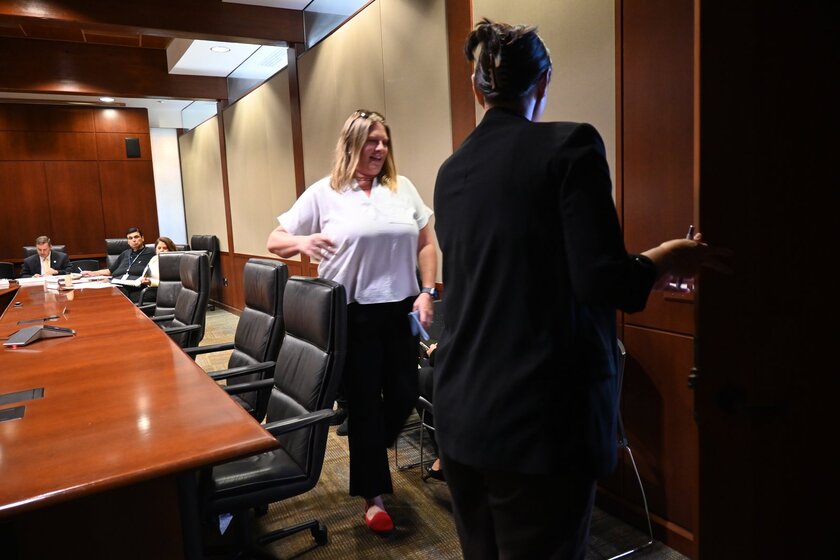
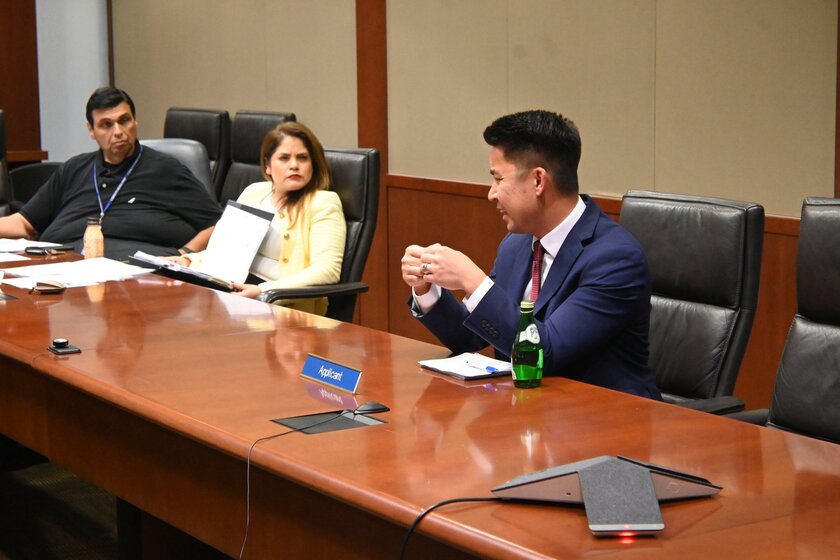
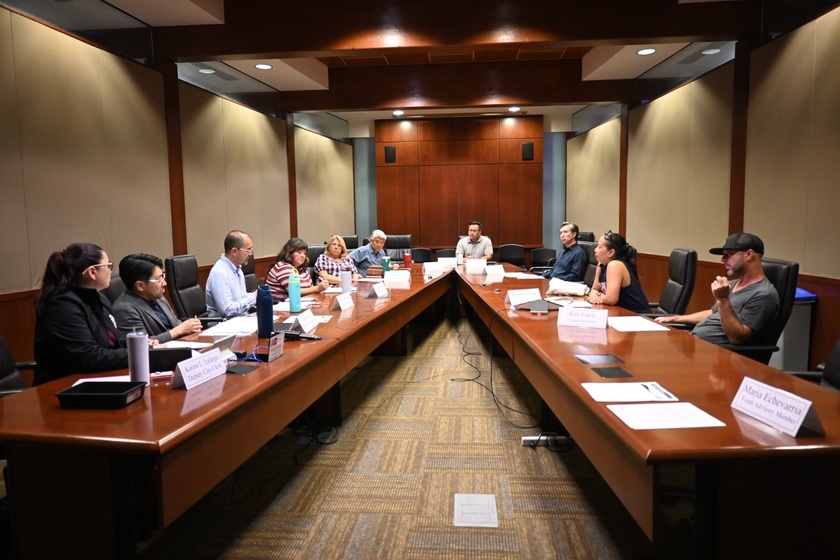
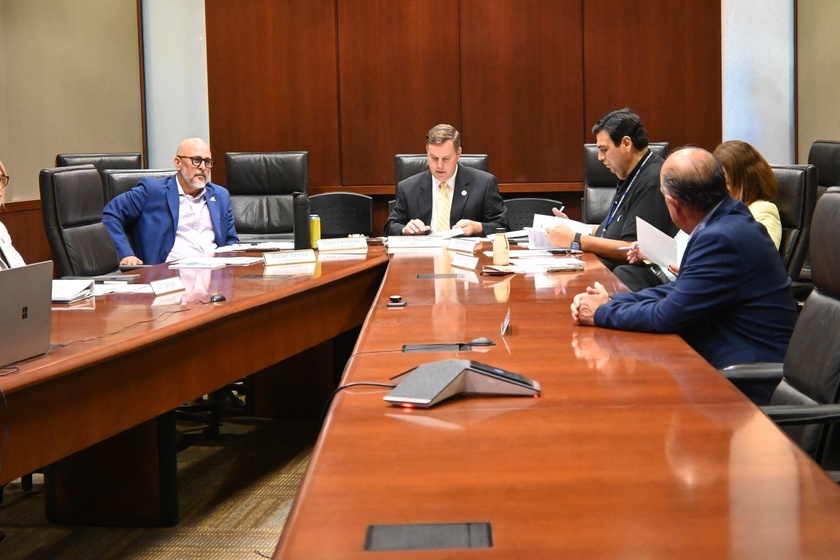
San Diego’s latest City Council docket highlights sweeping changes to public safety and neighborhood livability, carrying multi-million dollar price tags and direct impacts on residents' daily lives. From dramatically lowered speed limits to heated battles over coastal dining and looming flood lawsuit payouts, the financial and community effects take center stage.

Multi-Million Dollar Push for Slower Streets In a major move for pedestrian and cyclist safety, the city is rolling out a Comprehensive Speed Management Plan that will reduce speed limits on over 20 percent of San Diego's streets, totaling 679.1 miles. Enabled by new state laws, this Vision Zero initiative aims to eliminate traffic-related fatalities and severe injuries, which disproportionately affect vulnerable road users.

For locals, this means noticeably slower drives, with limits dropping to 15 or 25 mph in school zones, business districts, and high-pedestrian corridors. Financially, the safety rollout comes with a hefty $2.4 million price tag requested from the FY27 general fund. These funds will cover staff overtime and the fabrication and installation of 3,000 new speed limit signs across the city.

Neighborhood Nuisance or Coastal Dining? Meanwhile, in Pacific Beach, a fierce battle over a 760-square-foot "streetary" at the 710 Beach Club (710 Garnet Avenue) highlights the tension between local businesses and residents. Locals are actively appealing the project's environmental exemption, arguing that the outdoor patio expansion brings unbearable late-night noise, rowdy crowds, and the loss of at least five scarce coastal public parking spaces.

The financial impact on residents is a central grievance. Neighbors in adjacent condominiums claim the constant disruption has caused rental cancellations and driven property values down by over 30% compared to quieter sides of the building. While the city itself faces no fiscal impact for processing the application—as costs are recovered through applicant deposits—the dispute underscores the heavy toll commercial encroachment can take on local homeowners.

Overall Crime Drops, But "Society" Crimes Rise On a positive note for the community, the 2025 Annual Crime Briefing reveals that overall crime in San Diego dropped by 6.3% compared to 2024. Locals are experiencing safer neighborhoods, evidenced by a 12% drop in property crimes—including a massive 22% reduction in motor vehicle thefts—and a 3% drop in crimes against persons.

However, "crimes against society" rose by 6%, largely driven by an 83% spike in loitering and increased drug and narcotic offenses. The police attribute this rise to increased enforcement related to Proposition 36. While there is no direct municipal cost associated with this informational briefing, the data reflects shifting policing priorities that directly affect the daily reality of San Diego streets.

The Financial Cloud of the 2024 Floods Looming quietly over the city's finances are numerous inverse condemnation lawsuits stemming from the severe January 22, 2024, rainstorms. Locals suffered significant real and personal property damage during the floods, and the resulting legal claims represent a major financial exposure for the city. The City Attorney’s Office is addressing these lawsuits in closed session, but the ultimate payouts could heavily impact the city's budget moving forward.


community logo
Join the JDATA Community
To read more articles like this, sign up and join my community today
0
What else you may like…
Videos
Posts
Articles
November 04, 2023
LOCALs ONLY CONTENT.

WELCOME TO THE CLUB.

00:03:01
June 03, 2022
Diablo immortal
00:00:19
April 01, 2022
Comments open
00:01:08
March 14, 2026
The Financial Beat: Chula Vista’s Q2 Money Update

The March 17 City Council meeting provided a deep dive into the City's financial health, uncovering both revenue challenges and strategic investments. Here is a breakdown of how your tax dollars are being managed and where the money is going as of the Second Quarter of Fiscal Year 2025-26.

1. The General Fund: A $3.9 Million Revenue Shortfall

Total General Fund revenues are projected to be $3.9 million lower than the Amended Budget. While the City is still seeing 6.6% growth in property tax over last year, several key sectors are underperforming against expectations:

Property Tax: Projected to be $3.1 million below budget. This is due to a cooling housing market, a decline in home sales, and the timing of assessments for the new Gaylord Pacific Resort.

Transient Occupancy Tax (TOT): Projected to be $3.4 million lower than budgeted. Shortfalls in Bayfront receipts and a delay in the opening of two other new hotels significantly impacted this category.

Offsetting Gains: Stronger-than-expected Franchise Fees (up $0.6M) and other ...

February 24, 2026

draft OnE IS TO COMPETE WITH CVPD AI..

February 24, 2026
Clean Audits, Community Learning, and Calls for Safety: Southwestern College Board Meeting Highlights

draft 1
Southwestern College’s Governing Board met in Chula Vista on February 23, 2026, delivering a clean financial bill of health while hearing urgent appeals from students on campus safety and immigration concerns. The packed session, accessible via Zoom, showcased the district’s expanding Continuing Education programs and affirmed a year‑round commitment to Black History.
In audited finances, external auditor Rachel Green of Eide Bailly reported three unmodified opinions—financial statements, federal awards, and state compliance—alongside clean financial and performance audits for Proposition Z. “Three unmodified opinions means three clean bills of health,” she said, noting no audit adjustments were required and that 83% of Prop Z expenditures tested were used for authorized projects.
The board spotlighted Continuing Education’s growth through noncredit classes, community education, contract training, and the modernized YES Academy. Programs are designed to “meet ...

April 01, 2026
San Diego's "Safe Sleeping Sites" Under Fire for Inhumane Conditions and Mismanagement
DRAFT1


**SAN DIEGO** – A growing chorus of residents from city-sanctioned "safe sleeping sites" is speaking out against what they describe as deplorable living conditions, mismanagement, and systemic neglect. In testimonies gathered on March 27 and March 28, 2026, individuals living in encampments managed by organizations like "Dreams for Change" detailed a crisis marked by health hazards, a lack of security, and broken promises of a pathway to stable housing.

The complaints paint a grim picture of life inside these sites, which were intended to be a safe refuge for the city's unhoused population. Residents report severe rat infestations, inadequate sanitation with broken showers, and poor-quality tents that offer little protection from the elements. The tents, reportedly purchased for around $450 each, are described as substandard and prone to ripping. "The rats are my biggest issue," shared one resident named Robert. "They'll chew through the tents, they come in, they get into everything. They defecate on everything."

Beyond the physical conditions, residents allege a pattern of mistreatment and a lack of effective support. They describe a climate of fear, with arbitrary rule changes and punitive actions, such as power shutoffs for entire sections of a camp. A constant turnover of case managers means progress toward housing is perpetually stalled, leaving many feeling trapped. Theft is rampant, and a lack of security leaves vulnerable individuals, particularly women, in a constant state of anxiety. "My wife won't leave the tent at night at all," one man explained.

The core promise of these sites—to provide a bridge to permanent housing—is also being questioned. Many residents with high-priority needs, including the disabled and domestic violence survivors, report being stuck in the system for over a year with no clear path forward. The process feels opaque and inconsistent, leading to a profound sense of hopelessness.

As residents organize to voice their concerns at upcoming city council meetings, their testimonies raise urgent questions about the city's oversight of these multi-million dollar contracts. The disparity between the intended purpose of these "safe" sites and the harsh reality experienced by those living within them calls for a critical re-evaluation of San Diego's entire strategy for addressing its homelessness crisis.


Read full Article
April 01, 2026
Local Voices: A Glimpse into the City's Community Accountability Project
DRAFT1


**Robert, a local citizen journalist, is leveraging his passion for civic engagement to foster transparency and connection within the community. His initiative, which involves recording and covering local events from protests to art shows, aims to keep residents informed and hold public processes accountable.**

On March 28, 2026, a conversation at a local art show revealed the motivations behind this grassroots journalism project. Robert, a Hilltop High School alumnus, uses his familiarity with the community and his background in procedural rules to document the city's happenings. His approach is simple yet effective: be present, record, and share. This project serves as a bridge between official city meetings and the public, providing an unfiltered look at local governance and community life.

The initiative grew from a personal sense of responsibility. "It's a passion, right? 'Cause it's like you gotta want to go to city meetings. No one's gonna force you to go to them," Robert explained. His experience with parliamentary procedures, like Robert's Rules of Order, from his time in the PTA, equipped him with the knowledge to navigate and report on formal proceedings. He views his work as an "accountability project to keep everybody honest and like keep me honest, too, because I can't mess up on camera."

Robert's coverage is broad, spanning from city council sessions and protests to cultural events like the "Arts in the Windows" initiative, where local artists' work is displayed in business storefronts. By being on the ground, he not only documents events but also connects with fellow community members, like local artist Melissa, sharing their stories and work through his platform. This direct engagement fosters a sense of shared identity, as he notes, "Most people who get to know me, they're going to know like we all went to the same schools. We all grew up in the same [area]."

In an age of digital noise and civic disconnect, such hyper-local, passion-driven projects play a crucial role. They remind us that community is built on shared experience and that holding our institutions accountable begins with the simple act of showing up, paying attention, and sharing what we see. As more citizens like Robert take up the mantle of community reporting, one can only wonder how this will reshape local dialogue and civic participation.


Read full Article
April 01, 2026
“Espinada” pricks the heart: Melicha’s residency closes with an intimate solo show at Casa Casillas
DRAFT1


Chula Vista—On March 29, artist-in-residence Melissa, known as Melicha, closed her six‑month residency at Casa Casillas with “Espinada,” a cactus‑themed solo exhibition exploring grief, healing, and life transitions through metaphor and material. Hosted by the city’s new gallery space, the show invited visitors to walk through interconnected works that spill beyond traditional frames and into the room.

The exhibition’s centerpiece series links raw canvases with strings to a partner piece hidden behind a wall, a physical thread evoking emotional ties. “I wanted the pieces to be interactive with the space, not just boxed into canvases,” Melicha explained. “They all have to do with a moment in my life where I was going through some difficult things.”

Among the works, “Alone in My Bed at Night” confronts anxiety and depressive nights with an image of a pierced figure, blood leading to a string that connects across the gallery. Its message is both vulnerable and communal: “Even though this piece is titled ‘Alone in My Bed,’ I know that I wasn’t alone, and nobody is alone when you’re lying in bed filled with grief and misery. There are so many people in your life that care about you.”

Balancing the heaviness, a family series honors the anchoring presence of loved ones, including portraits of grandparents and parents, plus video installations. A childhood memory—falling into a cactus at her grandparents’ overgrown yard—threads biography into the show’s cactus motif, turning pain into symbol and story.

Visitors could also browse prints and stickers drawn from Melicha’s recurring heart imagery, priced at $15 and $3, respectively, with sales via Venmo or Zelle. The gallery was open from 1:00 p.m. to 5:00 p.m. on March 29 for the final viewing, and while the exhibition comes down, some works may remain visible in the artist’s studio until the end of April. Next up, Casa Casillas welcomes the residency of Herman Rojas.

As Chula Vista works to grow its arts ecosystem, “Espinada” underscores the impact of civic support. “It is really rough out here as an artist… Chula Vista doesn’t have that big of an art scene, so it is really great to have these institutions that hold that space,” Melicha said, thanking the city, Casa Casillas, and her family.

In a place still defining its cultural identity, intimate shows like “Espinada” pose a larger question: how can local institutions and communities continue to nurture artists who turn private pain into public meaning?


Read full Article
See More
Available on mobile and TV devices
google store google store app store app store
google store google store app tv store app tv store amazon store amazon store roku store roku store
Powered by Locals