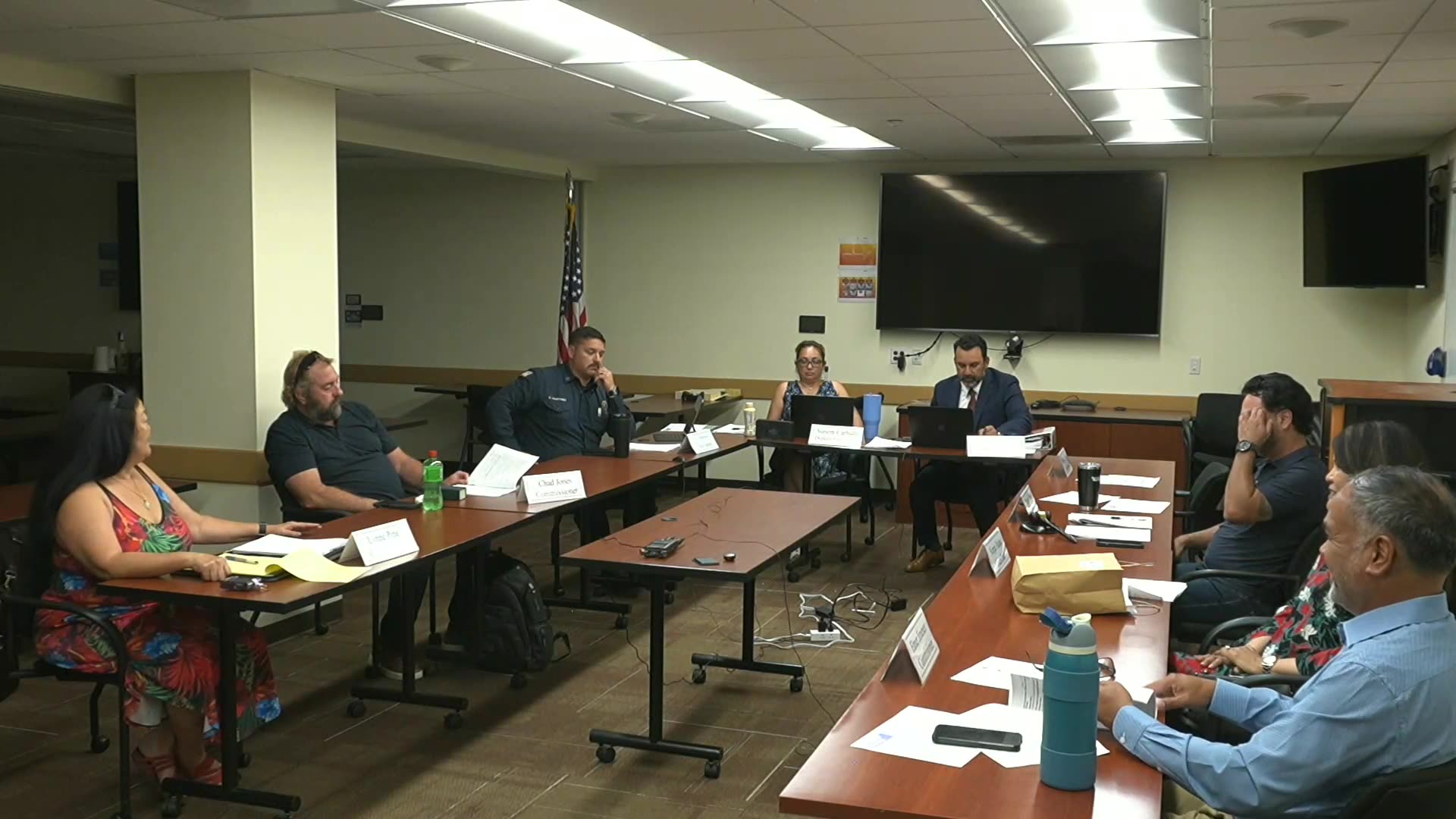
**CHULA VISTA, CA** – The Chula Vista City Council is advancing a plan to empower local businesses while simultaneously grappling with employee pay disputes and public scrutiny over its own procedures. During a meeting on Tuesday, March 17, 2026, the council discussed a new ordinance to streamline the creation of "Community Benefit Districts" (CBDs), a tool designed to help commercial areas self-fund improvements.
The proposed ordinance would establish local procedures for forming these special districts, which allow property and business owners to pay a special assessment for services beyond what the city provides, such as enhanced maintenance, marketing, and security. The key change would lower the petition threshold required to initiate a district's formation from 50% to 30% of property owners, making it easier for communities to start the process. City staff member David Graham noted the success of the existing district on Third Avenue, stating, "Being able to have the ability to have a twenty-year term creates some certainty and some expectancy for those businesses."
However, the council's focus on economic development tools was juxtaposed with other pressing city matters. The meeting began with public criticism over the extensive consent calendar, which bundled numerous items into a single vote. One resident argued the practice "just shows the lack of consistency" and hinders public oversight.
The council's fiscal management also came under fire during a hearing the previous day, March 16, 2026, where city employee unions raised alarms about staff shortages and pay disparities. Mayra Chawla, President of the Association of Civil Employees, revealed that "three out of every four ACE employees are paid below the market median for the work they perform." Unions argued that these uncompetitive wages are fueling a retention crisis that impacts essential services, from park maintenance to emergency dispatch.
As Chula Vista moves to provide its business communities with tools for grassroots-led growth, it faces the critical challenge of balancing these new initiatives with the foundational need to invest in its own workforce and maintain public trust through transparent governance.