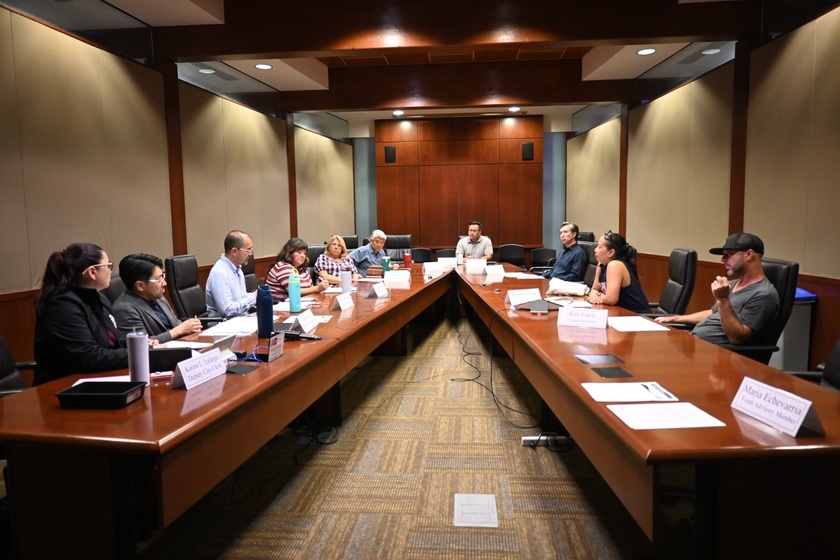
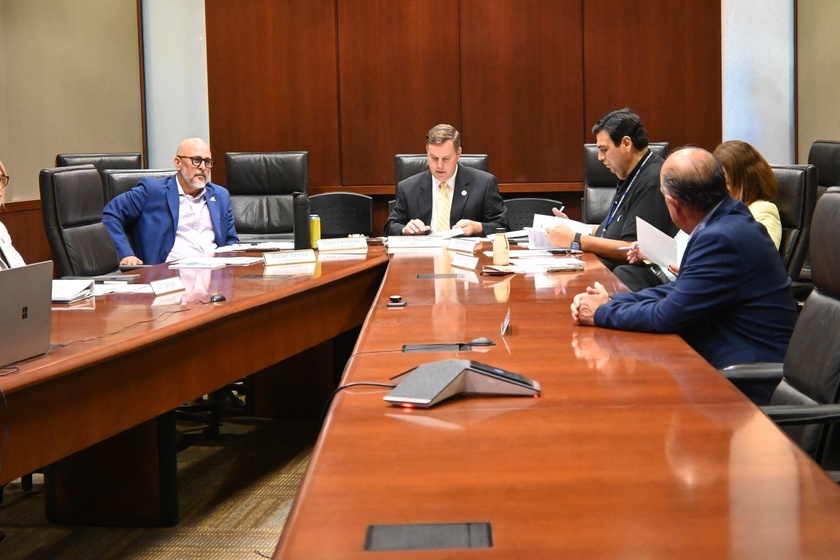
**SAN DIEGO –** The San Diego City Council meeting on Tuesday, March 17, 2026, became a microcosm of the city itself, addressing a wide-ranging agenda that included formal proclamations celebrating community diversity, urgent warnings of a looming housing crisis, and impassioned pleas from the public on issues of safety and infrastructure.
The session began on a celebratory note with the council honoring retiring Police Captain Jerry Harrah for his 33 years of service and reappointing Michael Zucchet to the Board of Port Commissioners. The council also formally recognized March as National Nutrition Month, the observance of Ramadan, and designated March 31 as Transgender Day of Visibility. In response to some negative public comments, Councilmember Elo-Rivera offered a powerful message of support: "We see you, we honor you, we love you, we appreciate you. And no public comment can change that."
However, the mood shifted as the council confronted stark financial realities. The San Diego Housing Commission (SDHC) announced a 14% workforce reduction due to a severe budget crisis, laying off 33 employees. This crisis stems from federal funding shortfalls that now place nearly 2,100 households at imminent risk of losing their housing assistance. The potential human cost of these cuts was a central concern, as the city faces the prospect of thousands more residents becoming homeless.
The public comment period further highlighted pressing community concerns. Residents urged the council to act decisively on the deteriorating Lake Hodges Dam, a project mandated by the state. Rhonda Farrar, president of Friends of Lake Hodges, emphasized the urgency, stating, "Every month we wait, construction's cost rise, the risk of catastrophic failure increases... we urge you to act now." Other speakers raised alarms about public safety at La Jolla Cove and the Torrey Pines Gliderport.
The meeting underscored the complex balancing act facing city leaders, who must navigate celebrating San Diego's diverse fabric while simultaneously confronting critical infrastructure needs and a deepening housing crisis. As the council moves forward, it faces the immense challenge of translating official proclamations of support into tangible actions that can secure the well-being of all its residents.