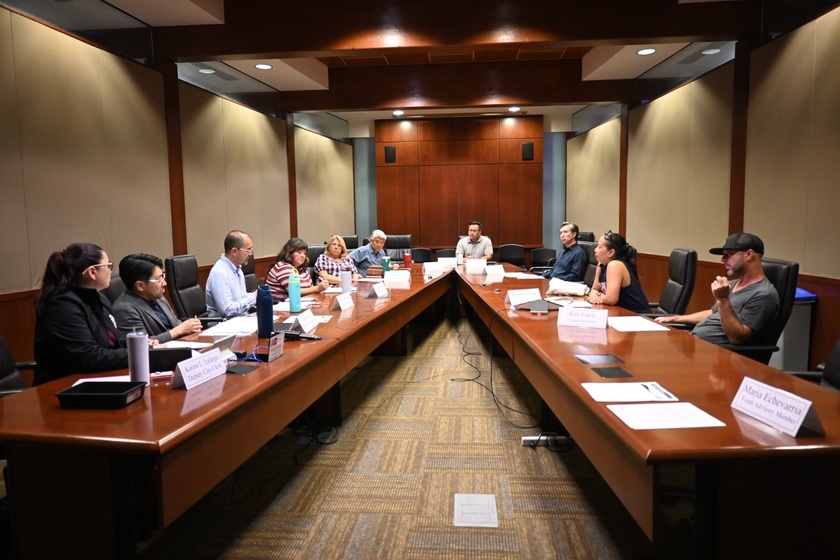
San Diego, March 19, 2026 — In a pivotal public meeting, the San Diego County Water Authority (SDCWA) approved a long-term water exchange with Western Municipal Water District while residents and environmental groups urged an interim, no‑cost operational change at Lake Hodges to reduce wildfire risk and protect habitat.
Lead — who, what, where, when, why, how:
- Who: SDCWA Board; Western Municipal Water District; local advocates from RaiseLakeHodges.org, Friends of Lake Hodges, North County Climate Change Alliance, San Diego Coastkeeper; San Diego residents.
- What: Board approval of a 21‑year water-sharing agreement and a call to raise Lake Hodges by about 15 feet to restore a natural firebreak and ecological functions.
- Where: SDCWA headquarters, San Diego; Lake Hodges in the San Dieguito River Valley.
- When: March 19, 2026.
- Why: Strengthen drought resilience and stabilize rates, while addressing acute fire risk and wildlife loss at Lake Hodges amid a delayed dam replacement.
- How: The agreement leverages conserved Colorado River supplies under the Quantification Settlement Agreement; advocates propose adjusting reservoir operations to 295 feet, maintaining a 20–25‑foot buffer below the crest and conducting a balanced risk survey.
The SDCWA–Western deal secures 10,000 acre-feet annually through 2047 at $1,350 per acre-foot, plus a $39 million upfront purchase of 30,000 acre-feet, delivering an estimated $330 million in net present value. “This partnership builds on existing investments, making it a thoughtful and cost‑effective approach for our customers,” said Western’s Board President Laura Roten. SDCWA Chair Nick Serrano called the vote “a historic step” enabled by renewed regional collaboration.
Public speakers pressed the Board to raise Lake Hodges from its current 280 feet (about 16% capacity), citing Cal Fire maps showing extreme risk around the exposed lakebed and the collapse of Western grebe nesting. “The safest interim solution is to raise Lake Hodges just 15 feet,” a RaiseLakeHodges.org representative said. “Just don’t continue to drain the rain.”
Finance items also advanced, with the Authority outlining debt strategies and deferring preliminary 2027 rate projections to May as external variables—including Metropolitan Water District rate decisions—remain unsettled.
As Southern California navigates climate strain on the Colorado River and local wildfire threats, the day’s actions pose a larger question: can smart sharing and pragmatic operations together deliver resilience—protecting both communities and ecosystems—without costly new infrastructure?