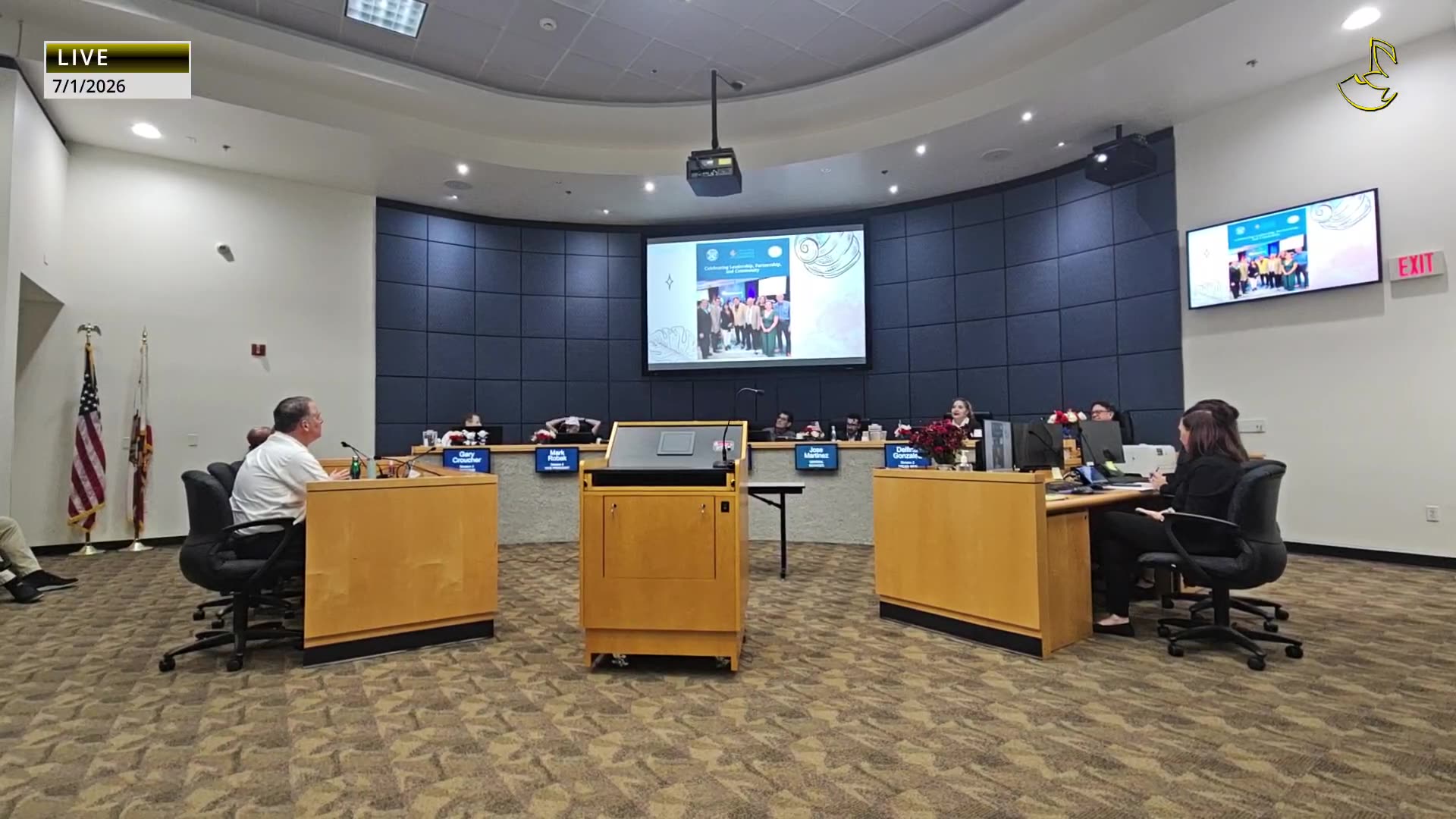
San Diego — On March 27, 2026, the San Diego County Board of Supervisors advanced a “Safety Net Bridge Program” and youth mental health reforms amid imminent federal shifts to Medi-Cal and CalFresh. In packed public sessions at the County Board chambers, leaders outlined how, why, and how fast the county plans to act to protect vulnerable residents and stabilize local healthcare.
Lead: Who, what, where, when, why, how
- Who: Board of Supervisors chaired by Chair Lawson-Remer, with Vice Chair Montgomery-Steppe; health policy experts; hospitals and clinics; community advocates.
- What: Safety Net Bridge pilot to prevent coverage gaps; Youth Optimal Care Pathway expansion for earlier behavioral health intervention; readiness plans for HR 1 impacts.
- Where: San Diego County Board of Supervisors meetings.
- When: March 27, 2026 (content creation: 2026-03-27 23:42:13); prior briefings March 3 and March 25, 2026.
- Why: Anticipated coverage loss and churn under HR 1, reduced state-directed payments, and rising uncompensated care risk.
- How: Leveraging existing clinics and telehealth, deploying care navigators, accelerating food access strategies, incident command operations, automation, and data-sharing.
Officials warned hospitals could face mounting pressures, particularly rural providers and FQHCs, as eligibility tightens and churn grows. “Hospitals are going to have hard choices,” a speaker said, urging primary care continuity to avoid preventable crises and ER surges. Feeding San Diego reported demand climbing to over 220,000 households monthly, prompting a 45‑day directive to fast‑track food access plans tied to the June 1 CalFresh deadline.
The Safety Net Bridge aims to offer no‑cost primary care, medications, and food support during temporary Medi-Cal lapses, prioritizing partnerships with community clinics to avoid duplication. “Using existing clinics avoids confusion, duplication, and fragmentation of care,” noted Paul Heggie of the San Diego County Medical Society. The Board’s youth initiative adapts “care before crisis” pathways to schools and community settings, expanding mobile crisis teams and outpatient services to close persistent access gaps.
Context: Municipal initiative addressing federal policy impacts on health and social services.
As San Diego accelerates preparations without full state rulemaking, the stakes are clear: rebuild a nimble, equitable safety net—or face higher costs and deeper inequities. The question for the region is whether rapid local partnerships can sustain coverage and care through unprecedented change—and what it will take to ensure no one goes hungry or without care.