**CHULA VISTA, CA – A community meeting on April 2, 2026, intended to provide transparency on the Chula Vista Police Department's (CVPD) use of military-style equipment, instead became a tense forum where residents voiced frustrations over public outreach, accessibility, and departmental policies.**
The meeting, one of several legally required by Assembly Bill 481, saw Acting Police Chief Dan Peake and SWAT Commander Lieutenant Joel Monreal present the department's annual report. They detailed an inventory that includes 46 drones, an armored rescue vehicle, and less-lethal tools like pepperball launchers, none of which were sourced from the federal 1033 surplus program. In 2025, drones were deployed nearly 3,000 times, and the Lenco BearCat armored vehicle was used 17 times. Officials reported zero policy violations.
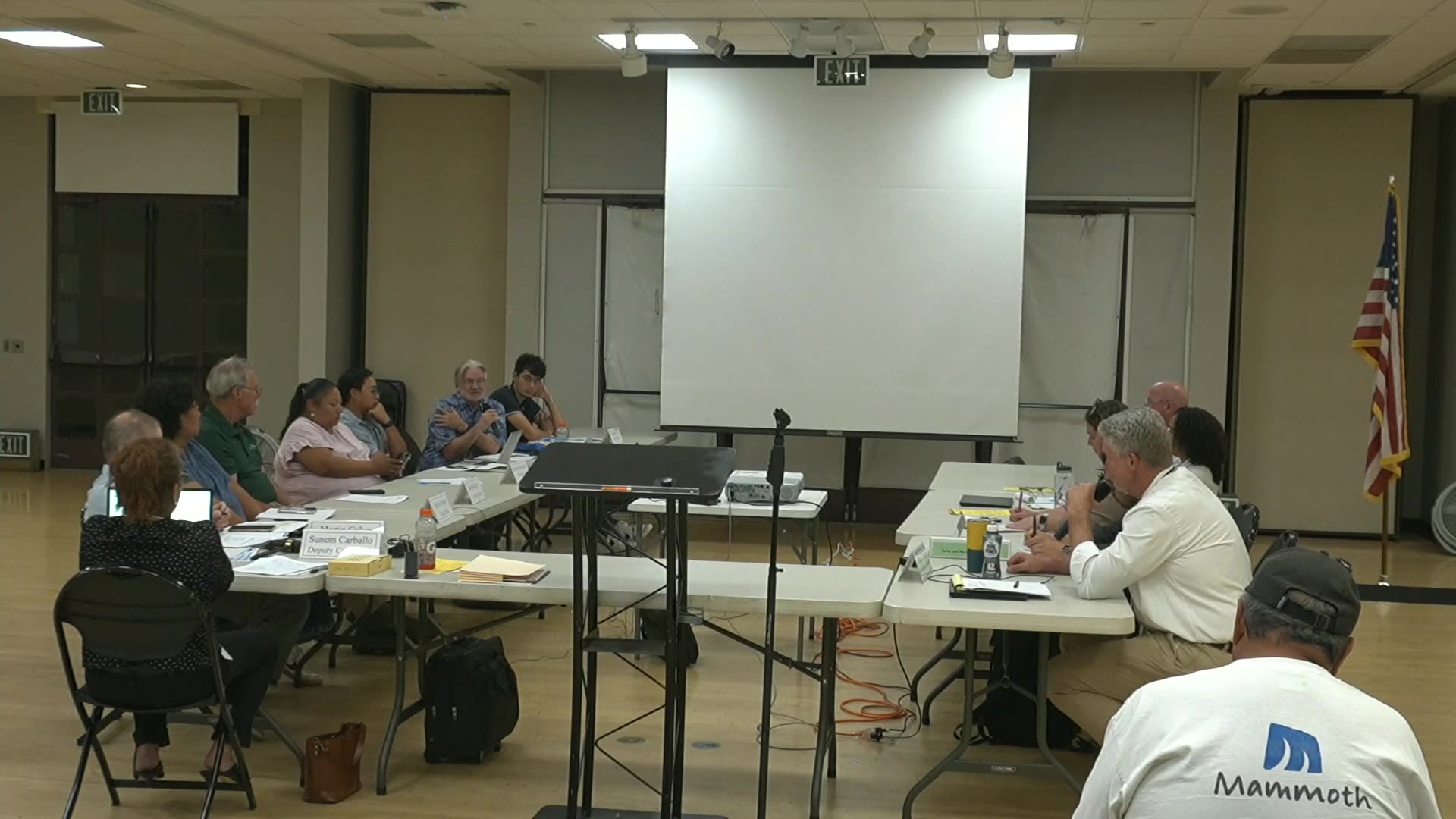
However, the dialogue quickly shifted from the report itself to the nature of the meeting. Residents criticized the late public notice, the 2:00 PM timing, and the choice of venue—the police headquarters—as barriers to genuine public participation. "This is not community engagement," one long-time activist stated. "Even to walk through the doors, it's intimidating. None of my friends would come today... We need to have it in the community."
Attendees also scrutinized the department's policies, questioning why state laws restricting the use of projectiles like pepper balls in crowd control situations were not explicitly written into the CVPD's use-of-force policy. Further questions were raised about discrepancies in the reported number of rifles from the previous year.
The Acting Chief of Police acknowledged the community's concerns, promising to review outreach methods and policy language. "We are one team. We are one community," he affirmed. "And so if there's a better way to present the information... if there's a better way to be more accessible to all segments of our community, we'll do that."
With the City Council scheduled to vote on the policy on April 21, and a final community meeting set for April 29, the recent discussions highlight a significant gap between procedural compliance and the community's demand for true accountability. The outcome will show whether this dialogue can pave the way for a more collaborative future in public safety or if resident concerns will remain unresolved.