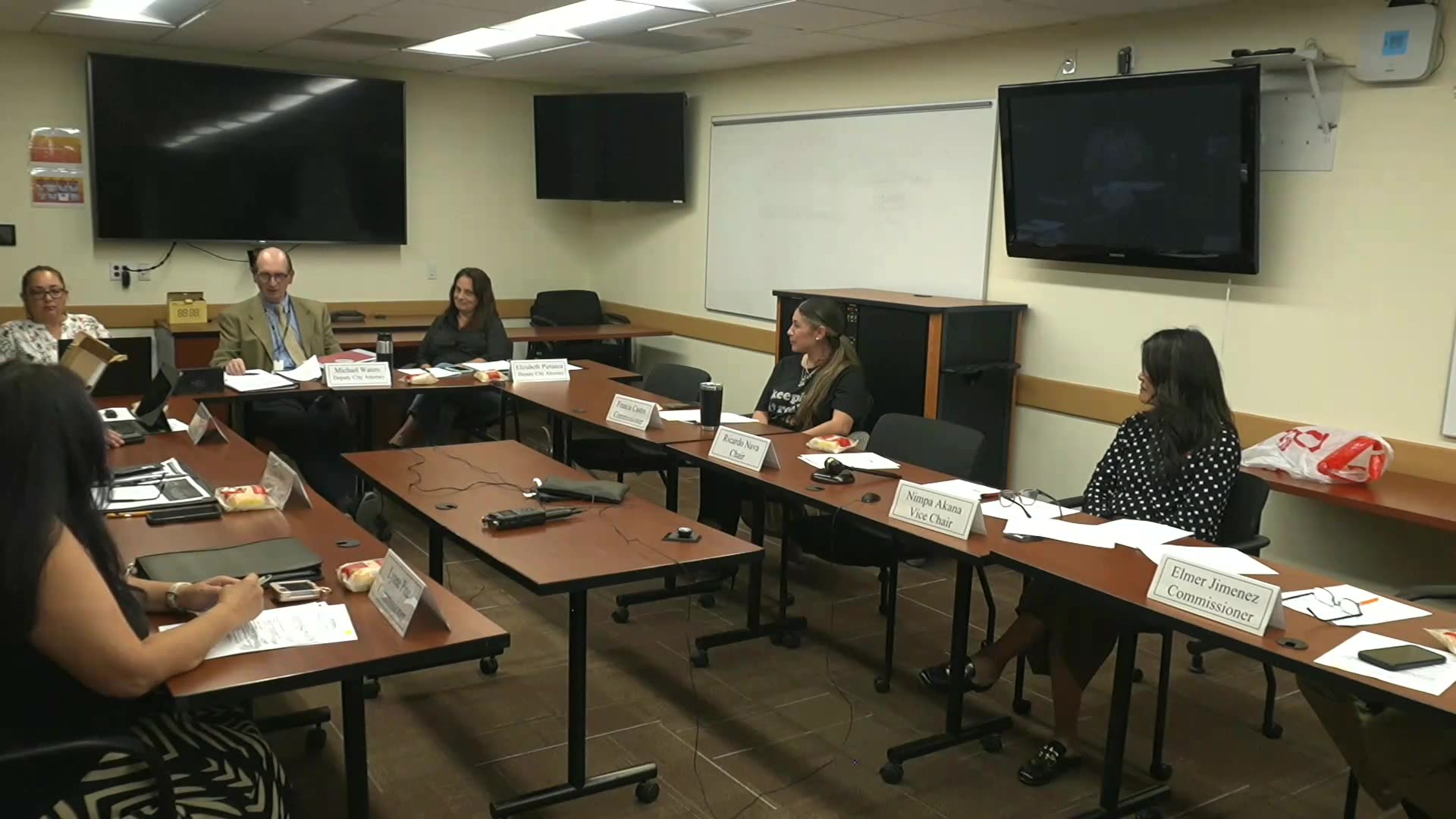
San Diego — On April 3, 2026, SANDAG’s board and executive committees held a public meeting that blended tense community testimony with detailed progress on internal audits and commuter programs. The event—captured in a recording created on 2026-04-03 09:09:53—offered a clear snapshot of who, what, where, when, why, and how the agency is navigating budget pressures, safety concerns, and governance reforms. Context: a public board and executive committee session examining internal controls, audit follow-ups, and transportation services.
Lead: Residents, board members, and staff converged at SANDAG headquarters to scrutinize rail alignment debates, fiscal risks, and the status of audit recommendations, while spotlighting Transportation Demand Management and Motorist Aid programs aimed at reducing congestion and enhancing safety.
Who: Community speakers including Guthrie Leonard, Robert Johnson, and Blair Beekman; board leaders such as Mayor Jones and Mayor Duncan; and staff leads Shanae Pickney Forrest (internal controls), Antoinette (STS), and Erin (Motorist Aid).
What: Public comment challenged the “Northern Yellow Line” rail concept, climate policy assumptions, data practices, and a draft budget some labeled “not solid.” Staff delivered a quarterly Corrective Action Plan update—tracking 328 recommendations across multiple audits—with 66% of due items implemented by February 28, 2026. The executive committee showcased vanpools, Try Transit, bike education, Youth Opportunity Pass outreach, Freeway Service Patrol, call boxes, and 511 traveler information.
Where: SANDAG board and executive committee sessions in the San Diego region; speakers referenced concurrent courthouse events nearby.
When: April 3, 2026, with audit data through February 28, 2026.
Why: To bolster transparency, prioritize high‑risk audit actions, manage budget uncertainty, and deliver commuter benefits that cut delay and improve safety.
How: Standardized internal controls, training, repository documentation, dashboards, and expanded oversight under Board Policy 1; federally funded TDM and SB 1‑funded Motorist Aid services.
Board members pressed for clarity. “There’s got to be a way for us as cities to give you the information in a standardized sort of form,” said Mayor Jones, urging actionable metrics. A staff presenter emphasized fiscal architecture: “The TDM program is basically close to 100%, if not 100% federally funded.”
As SANDAG weighs rail corridors, audit timelines, and commuter investments, the question remains: can stronger governance and practical services convert “in progress” into proof—rebuilding public trust while delivering measurable results on San Diego’s roads and rails?