JDATA
Politics • Education • News
Port of San Diego Tackles Safety, Staffing, and Community Aspirations
DRAFT1
4 hours ago

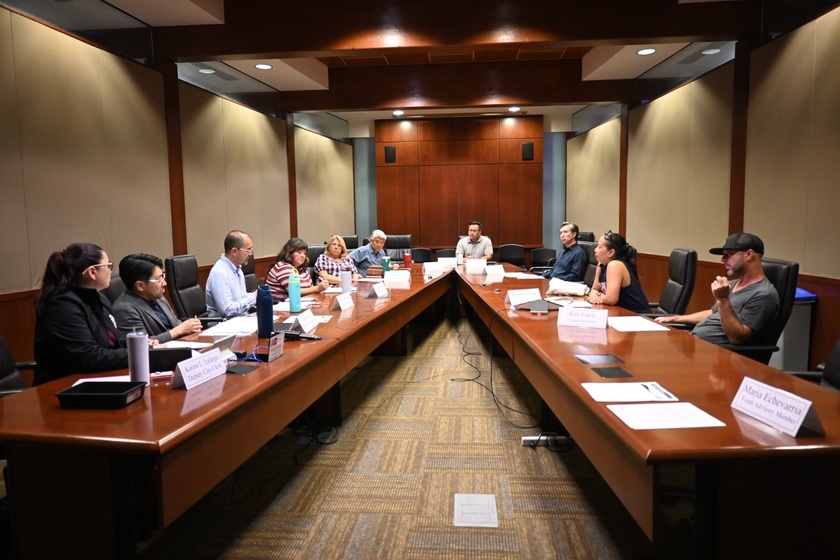
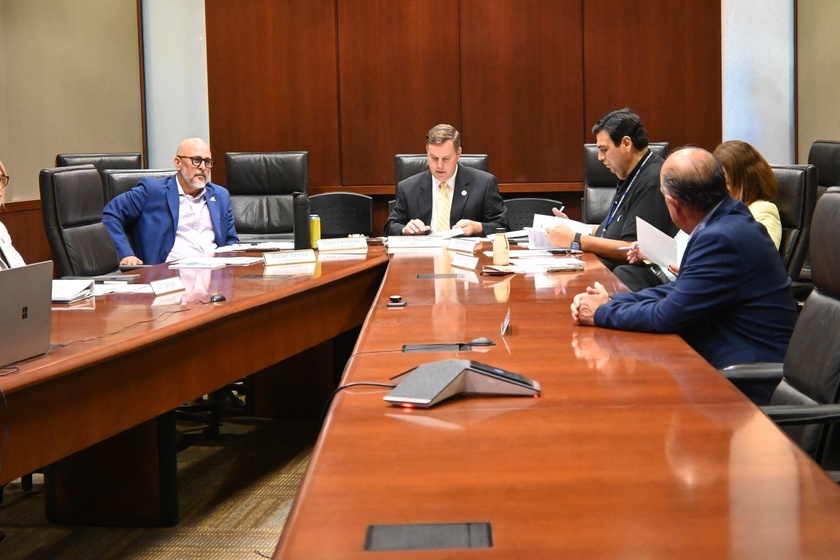
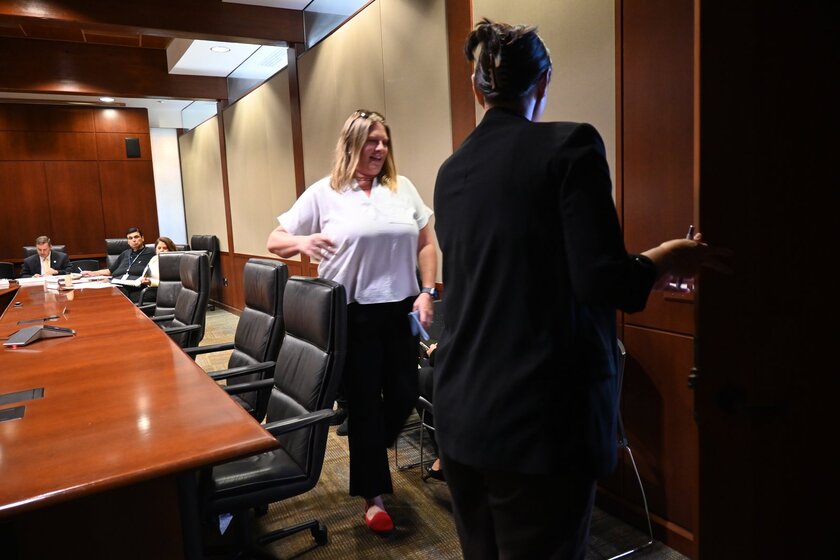
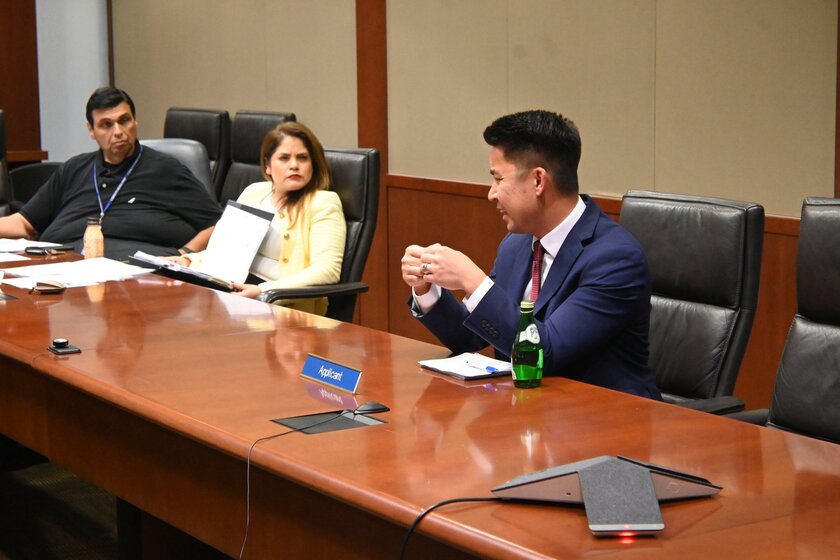
**SAN DIEGO –** The Port of San Diego's board meeting on March 10, 2026, became a forum for pressing public concerns, revealing deep community engagement on issues ranging from public safety and police staffing to cultural and economic development across the waterfront.

The session highlighted an immediate safety issue on the Embarcadero, where cyclists voiced alarm over a ban on e-bikes that forces them into "absolutely terrifying" high-speed traffic on North Harbor Drive. Speakers urged the board to install protective barriers or lift the ban to provide a safe commuting route. Concurrently, the Harbor Police department is facing a critical shortage of public safety dispatchers, with only four of its 14 authorized positions filled. The board approved an emergency measure to re-hire a retired dispatcher to provide immediate relief, a move one official called necessary as "current staffing levels are not sustainable."

The Harbor Police also presented an overhaul of its vehicle towing program, aimed at creating a more equitable and compassionate system. The initiative, which has already reduced tows by 20% since 2024, now includes a public webpage with clear information and prioritizes connecting individuals experiencing homelessness with support services before towing a vehicle. "In today's economy, it's very impactful to tow a vehicle for anybody and I think education is key," noted Harbor Police Chief Magda Fernandes.

Finally, community members from the South Bay made passionate appeals for development that serves local needs. A Chula Vista business owner called for the creation of a major performing arts center on the bayfront to serve as a cultural and economic anchor. Meanwhile, another speaker criticized the port for failing to secure federal grants to modernize the National City Marine Terminal, calling for a more ambitious vision for the public waterfront.

These diverse testimonies underscore the complex challenges facing the port, balancing immediate operational needs with the long-term aspirations of the communities it serves, prompting a wider conversation about the future vision for San Diego's bayfront.


 

community logo
Join the JDATA Community
To read more articles like this, sign up and join my community today
0
What else you may like…
Videos
Posts
Articles
November 04, 2023
LOCALs ONLY CONTENT.

WELCOME TO THE CLUB.

00:03:01
June 03, 2022
Diablo immortal
00:00:19
April 01, 2022
Comments open
00:01:08
February 24, 2026

draft OnE IS TO COMPETE WITH CVPD AI..

February 24, 2026
Clean Audits, Community Learning, and Calls for Safety: Southwestern College Board Meeting Highlights

draft 1
Southwestern College’s Governing Board met in Chula Vista on February 23, 2026, delivering a clean financial bill of health while hearing urgent appeals from students on campus safety and immigration concerns. The packed session, accessible via Zoom, showcased the district’s expanding Continuing Education programs and affirmed a year‑round commitment to Black History.
In audited finances, external auditor Rachel Green of Eide Bailly reported three unmodified opinions—financial statements, federal awards, and state compliance—alongside clean financial and performance audits for Proposition Z. “Three unmodified opinions means three clean bills of health,” she said, noting no audit adjustments were required and that 83% of Prop Z expenditures tested were used for authorized projects.
The board spotlighted Continuing Education’s growth through noncredit classes, community education, contract training, and the modernized YES Academy. Programs are designed to “meet ...

February 23, 2026
NEW DRAFT 1 CONTENT FOR SUPPORTERS

SUPPORT MY WORK. DRAFT 1 is before SUBSTACK. SUBSTACK IS BEFOR X

post photo preview
"Save Our Children" Rally Marches Through Downtown San Diego
DRAFT1

**SAN DIEGO** – A "Save Our Children" rally and march took place in downtown San Diego on Saturday, March 7, 2026, drawing dozens of activists to the County Administration Center Waterfront Park. The demonstration, part of a nationwide series of events, aimed to raise awareness about child trafficking, alleged corruption within Child Protective Services (CPS), and the need for greater government transparency.

The event began around 10:00 a.m. with speeches and live music before participants marched through downtown streets, including Harbor Drive, Broadway, and past the federal courthouse. Organized by local activists, including Audra Morgan and a man named Carlos, the protest sought to unite individuals with diverse concerns under the common cause of protecting children. The demonstration was timed to amplify calls for justice spurred by the recent release of redacted documents related to Jeffrey Epstein.

Organizers stressed that the movement transcends political affiliations. "It's not left to right... it could just be wrong versus right, and then we can all join together under this one umbrella to save our children," one organizer stated during the rally. Demonstrators voiced strong accusations against government agencies, claiming that financial incentives within the foster care system contribute to the separation of families. Chants like "No left, no right, human trafficking we will fight" and signs demanding "Release the files, arrest all pedophiles" underscored the group's message.

The march aimed to move a sensitive and often hidden issue into the public sphere, transforming online outrage into visible street-level action. As the protest concluded, organizers vowed it was just the beginning, announcing plans for another nationwide event on APRIL 11TH //EDIT to maintain pressure on authorities. This local demonstration reflects a growing public refusal to remain silent, leaving the community to consider what concrete actions will follow this unified demand for justice for the nation's most vulnerable.


Read full Article
post photo preview
Chula Vista Appoints New Members to Higher Education Task Force, Advancing University Plans
DRAFT1/EDITED

EDITED/

CHULA VISTA, CA – The City of Chula Vista took a significant step on Tuesday, March 10, 2026, toward realizing its long-held dream of a four-year university by appointing three new public members to the South County Higher Education Planning Task Force. Following a series of public interviews of six finalists, the City Council appointed Gala Ledezma, Adrian Arancibia, and Valita Jones to help guide the creation of the future institution.

The task force, established under Assembly Bill 662, is charged with developing concrete policy recommendations on governance, funding, and site infrastructure requirements for the proposed university. The body will collaborate with representatives from UC San Diego, San Diego State University, Southwestern College, and the Sweetwater Union High School District to submit a final report to the state legislature by July 1, 2027. The university is planned for a 383-acre site in eastern Chula Vista, adjacent to a future Innovation District, aiming to create a seamless pipeline from education to high-demand local jobs.

During the interviews, candidates highlighted the critical need for a university that serves the local community by retaining talent and eliminating barriers to access. Ms. Ledezma, a senior research analyst at the CSU Chancellor’s Office and a South Bay native, shared her expertise in community colleges and transfer pathways, stressing the importance of data-informed decisions to align the new university’s programs with regional workforce demands.

Council members praised the high caliber of all applicants, ultimately deciding to appoint three members after receiving 55 qualified submissions. Councilmember Carolina Chavez (District 1) was among those present for the interviews. The newly appointed members bring a mix of research expertise, community ties, and a passion for educational equity.

With these key appointments, Chula Vista moves closer to transforming a decades-long vision into a tangible reality. The work of this task force will be crucial in building an institution that not only expands educational access but also serves as a powerful engine for economic growth and community development for generations to come.

----------------------------------------------------------------------------------------------------------------------

Summary of Fixed Errors:

  • Appointee Names:

    • Changed "Gala Ledesma" to Gala Ledezma.

    • Changed "Adriana Arancibia" to Adrian Arancibia (The applicant is Dr. Adrian Arancibia, a male professor and board trustee).

    • Changed "Alita Jones" to Valita Jones.

  • Task Force Mandate: While the source mentions academic planning broadly, the four specific legal charges under AB 662 are governance, site/infrastructure, funding, and legislative solutions.

  • Collaborators: Specifically identified the "local school district" as the Sweetwater Union High School District.

Applicant Context: Clarified that Ms. Ledezma is a Senior Research Analyst at the CSU Chancellor's Office.


draft1-

**CHULA VISTA, CA** – The City of Chula Vista took a significant step on Tuesday, March 10, 2026, toward realizing its long-held dream of a four-year university by appointing three new public members to the South County Higher Education Planning Task Force. Following a series of public interviews, the City Council unanimously appointed Gala Ledesma, Adriana Arancibia, and Alita Jones to help guide the creation of the future institution.

The task force, established under Assembly Bill 662, is charged with developing concrete policy recommendations on governance, funding, and academic programming for the proposed university. The body will collaborate with representatives from UC San Diego, San Diego State University, Southwestern College, and local school districts to submit a final report to the state legislature by July 1, 2027. The university is planned for a 383-acre site in eastern Chula Vista, adjacent to a future Innovation District, aiming to create a seamless pipeline from education to high-demand local jobs.

During the interviews, candidates highlighted the critical need for a university that serves the local community by retaining talent and eliminating barriers to access. Ms. Ledesma, a senior research analyst and South Bay native, shared her personal experience of a long commute to attend university, a challenge faced by many local students. "My work, my family, my home was here. But higher opportunities were somewhere else," she recounted, stressing the importance of data-informed decisions to align the new university's programs with regional workforce demands.

Council members praised the high caliber of all applicants, ultimately deciding to appoint three members instead of the originally planned one or two. Councilmember Chavez commented, "This is such a valuable batch of people that are interested in helping us shape the future of the city." The newly appointed members bring a mix of research expertise, community ties, and a passion for educational equity.

With these key appointments, Chula Vista moves closer to transforming a decades-long vision into a tangible reality. The work of this task force will be crucial in building an institution that not only expands educational access but also serves as a powerful engine for economic growth and community development for generations to come.

Wrote with AI from Audio

EMAIL : [email protected]

@619CVLD


Read full Article
23 minutes ago
Regional Water Boards Tackle Rates, Supply Negotiations, and Community Investment
DRAFT1

**SAN DIEGO COUNTY, March 11, 2026** – Local water agencies across San Diego County are navigating a complex landscape of financial pressures, critical supply negotiations, and community engagement efforts. At meetings held on March 11, discussions ranged from upcoming water rate studies and the uncertain future of the Colorado River to successful conservation programs and strategic local investments, painting a picture of a region actively preparing for a challenging future.

A primary concern is the impending expiration of key agreements governing the Colorado River in 2026. Consultant Drew Atwater warned the Sweetwater Authority board that if the seven states involved fail to reach a consensus, the federal government may impose a solution unfavorable to California. Even with San Diego County's senior water rights, financial impacts are likely. "The average unit rate because of the fixed costs to maintain the CRA [Colorado River Aqueduct] system will go up," Atwater stated, explaining that reduced supply for the Metropolitan Water District would increase costs for all its customers.

This looming uncertainty adds weight to local affordability debates. At another meeting, the balance between keeping water rates low and ensuring long-term system sustainability was a key topic. One director emphasized it is a "balancing act" for the industry, acknowledging public concern over rising bills while stressing the need for continued infrastructure investment. A crucial water rate study, originally scheduled for February, is now set to begin on March 25, which will provide a clearer financial path forward.

In the South Bay, the Water Board focused on procedural updates, approving revised policies for greater clarity and efficiency. The board also heard promising news about a multi-state agreement that could allow for the sale of desalinated water from Carlsbad, potentially offering "significant rate relief" in the future, though officials urged cautious optimism.

Amid these high-level challenges, community-focused initiatives are thriving. The Sweetwater Authority celebrated its partnership with Neighborhood National Bank, where it is increasing its investment to $3 million. The strategy uses public funds to support a local bank that reinvests in the community. Meanwhile, the Water Conservation Garden reported overwhelming success with recent events like "Tomato Mania," which sold over 4,000 plants, and a surge in volunteerism, demonstrating strong public interest in water-wise living.

As the region faces critical negotiations that will define its water supply for decades to come, these parallel efforts in local investment and public education highlight a multi-pronged strategy: securing a resilient water future while strengthening the very communities that depend on it.


Wrote with AI from Audio

EMAIL : [email protected]

@619CVLD


Read full Article
See More
Available on mobile and TV devices
google store google store app store app store
google store google store app tv store app tv store amazon store amazon store roku store roku store
Powered by Locals