
JDATA
Politics • Education • News
Chula Vista Police Department Navigates Major Upgrades, Staffing Shifts, and Public Scrutiny
DRAFT1
April 14, 2026
post photo preview


**CHULA VISTA, CA – The Chula Vista Police Department is in the midst of a significant transformation, simultaneously undertaking a multimillion-dollar facility overhaul, major leadership changes, and new equipment rollouts, all while facing public scrutiny over transparency and planning for future expansion. These updates were detailed across several community meetings held on April 2, 2026.**

The department is grappling with extensive infrastructure challenges at its headquarters, which is undergoing a massive HVAC system renovation. The project, already two months in, has caused significant disruption, with street closures for cranes and internal relocations. Staff have endured unpredictable temperatures, but officials are optimistic the new climate control system will be operational by summer. Compounding the logistical issues is a severe parking shortage, with 35 to 40 spaces occupied by vehicles held as evidence. “It’s very upsetting to staff to come in and park at the police station, but they’re parking next to a car that’s full of blood that you’ve known people have died in,” a spokesperson explained. The city is finalizing plans for a secure warehouse to store these vehicles.

In a major leadership shuffle, Acting Assistant Chief “Dan” Peak has assumed the duties of assistant chief. This has triggered a cascade of promotions, with Lamar Barrett and Ernie Pinedo appointed as Acting Captains. The department also announced the acquisition of new Glock handguns for all officers, equipped with laser sights and flashlights, to enhance safety and accuracy. This move aligns Chula Vista’s equipment with that of the Sheriff’s Department.

Planning for the city’s future is also a key priority. To address the “massive growth” in the eastern part of the city and its impact on police response times, the department is moving forward with plans for a new substation. The location and strategy for this facility will be entirely data-driven. Concurrently, the department is exploring a community camera program, which would allow voluntary access to private security feeds during emergencies, though officials stress the need for extensive public outreach and privacy considerations before any implementation.

However, these initiatives have not been without controversy. A local activist has accused the city and police of procedural failures and a lack of transparency regarding a state-mandated community meeting on police equipment held on April 2, alleging that the venue was not properly noticed to the public, a potentially violation. This incident highlights the persistent tension between law enforcement’s operational needs and the public’s right to participation and oversight. As the department modernizes its infrastructure and adapts to a growing city, balancing these complex internal changes with external demands for transparency remains a critical challenge.


Police and Public Face Off Over Transparency and Military-Grade Gear in Chula Vista

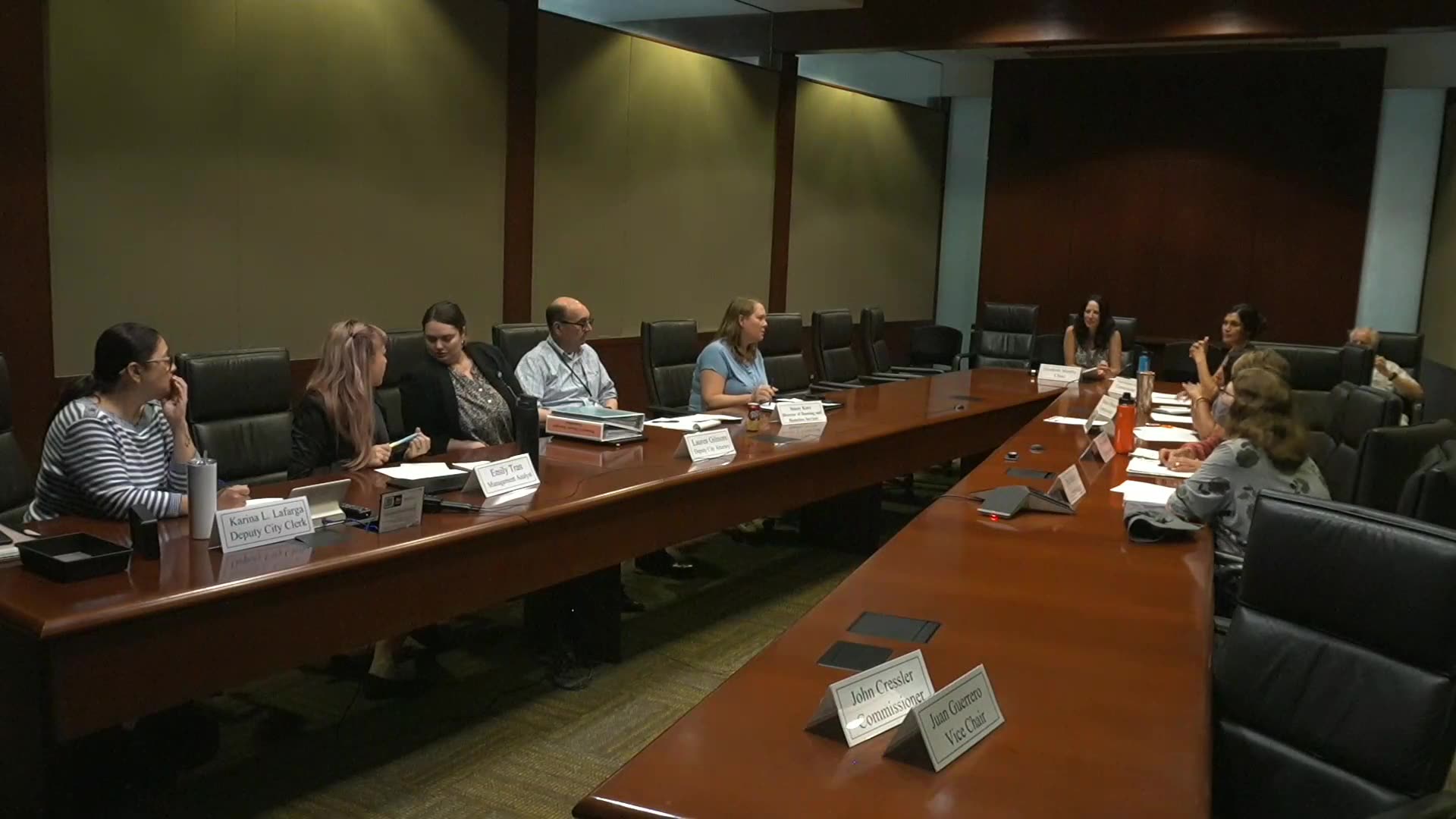
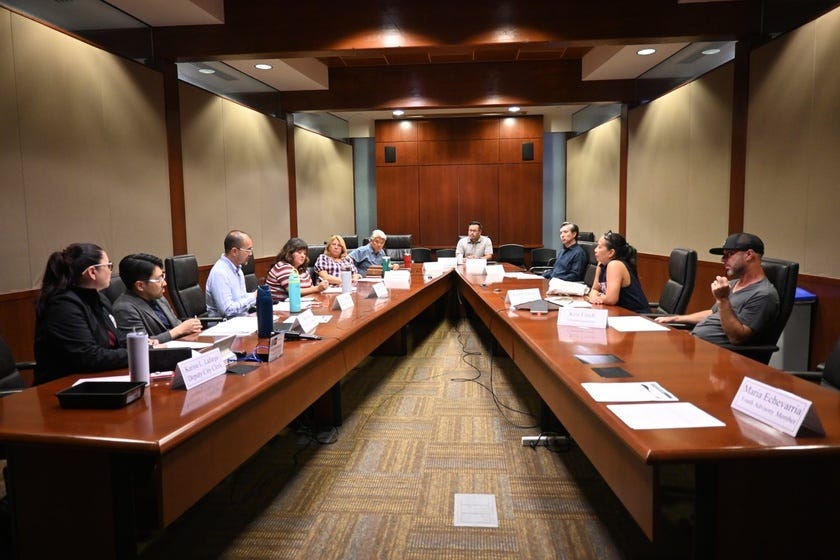
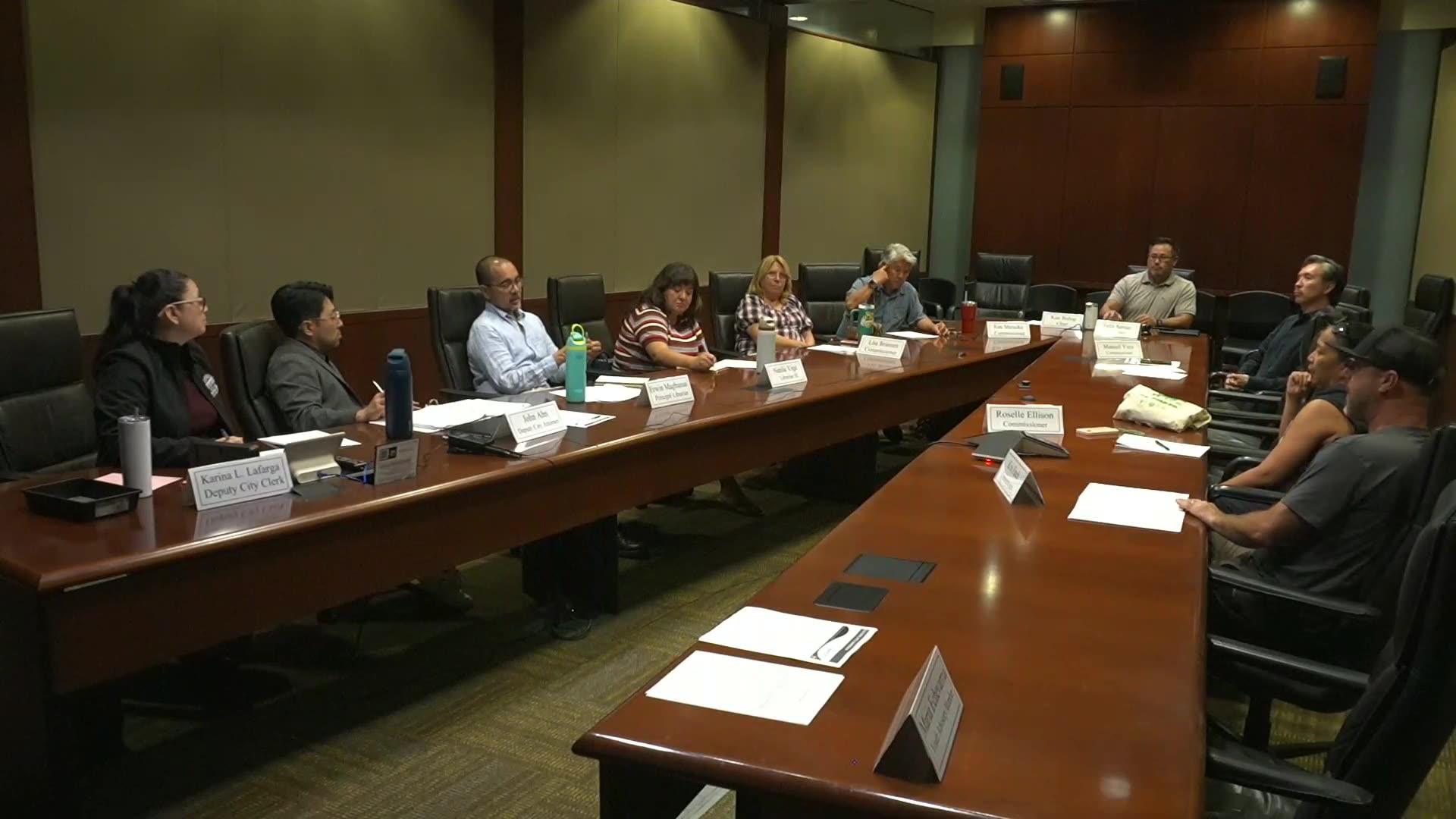
CHULA VISTA, CA – A community meeting on April 2, 2026, intended to provide transparency on the Chula Vista Police Department’s (CVPD) use of military-style equipment, instead became a tense forum where residents voiced frustrations over public outreach, accessibility, and departmental policies.

The meeting, one of several legally required by Assembly Bill 481, saw Acting Police Chief Dan Peake and SWAT Commander Lieutenant Joel Monreal present the department’s annual report. They detailed an inventory that includes 46 drones, an armored rescue vehicle, and less-lethal tools like pepperball launchers, none of which were sourced from the federal 1033 surplus program. In 2025, drones were deployed nearly 3,000 times, and the Lenco BearCat armored vehicle was used 17 times. Officials reported zero policy violations.

However, the dialogue quickly shifted from the report itself to the nature of the meeting. Residents criticized the late public notice, the 2:00 PM timing, and the choice of venue—the police headquarters—as barriers to genuine public participation. “This is not community engagement,” one long-time activist stated. “Even to walk through the doors, it’s intimidating. None of my friends would come today... We need to have it in the community.”

Attendees also scrutinized the department’s policies, questioning why state laws restricting the use of projectiles like pepper balls in crowd control situations were not explicitly written into the CVPD’s use-of-force policy. Further questions were raised about discrepancies in the reported number of rifles from the previous year.
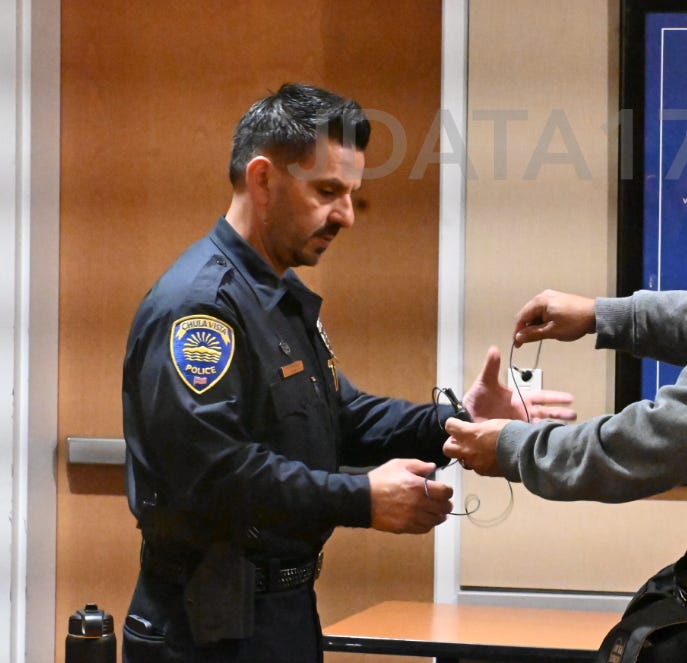
 

The Acting Chief of Police acknowledged the community’s concerns, promising to review outreach methods and policy language. “We are one team. We are one community,” he affirmed. “And so if there’s a better way to present the information... if there’s a better way to be more accessible to all segments of our community, we’ll do that.”

With the City Council scheduled to vote on the policy on April 21, and a final community meeting set for April 29, the recent discussions highlight a significant gap between procedural compliance and the community’s demand for true accountability. The outcome will show whether this dialogue can pave the way for a more collaborative future in public safety or if resident concerns will remain unresolved.


community logo
Join the JDATA Community
To read more articles like this, sign up and join my community today
0
What else you may like…
Videos
Posts
Articles
November 04, 2023
LOCALs ONLY CONTENT.

WELCOME TO THE CLUB.

00:03:01
June 03, 2022
Diablo immortal
00:00:19
April 01, 2022
Comments open
00:01:08
June 25, 2026
Tensions Flare as Sweetwater Authority Board Meeting Abruptly Halted

CHULA VISTA, CA – The Sweetwater Authority board meeting on the evening of June 24, 2026, descended into chaos, culminating in a walkout by several board members that brought public proceedings to a halt. The tense session, held at the authority's headquarters, saw heated debates over transparency, a new communications plan, and a draft water rate study before the abrupt suspension.
The meeting began with discussions on wage adjustments, with an initial proposal for a 4.5% increase later revised to 3%. It also included a proclamation from the office of County Supervisor Paloma Aguirre, honoring the Authority’s Water Affordability Program, which has assisted over 1,000 South County households since its launch in March 2024. However, the atmosphere soured during public comment.
A local resident and government watchdog, Robert, raised multiple concerns. He criticized the board for holding public comments before presentations, a practice he called discriminatory. “How is the public ...

June 04, 2026
Open Governance and Water Infrastructure Take Center Stage in San Diego Regional Meeting

San Diego — On June 4, 2026, regional water and wastewater officials convened at a City of San Diego facility for a public meeting that blended a debate over open access with significant decisions on contracts and a near-final landmark agreement guiding regional water management. The session featured board members from the Metro Wastewater JPA, City Public Utilities staff, legal counsel, and members of the public, including live-streamer Robert and former legislator Laurie Saldana. The context: a public board meeting addressing governance, financing, and project delivery for the metro sewer system and the Pure Water program.
Lead — Who, what, where, when, why, how: Attendees reviewed and advanced the Sewerage Agreement and Rate Addendum (SARA) and its related ordinances, debated and approved a five-year sole-source technical contract, confirmed bond proceeds affecting ratepayer bills, and confronted building sign-in requirements that raised Brown Act concerns. Security sought a balance ...

March 14, 2026
The Financial Beat: Chula Vista’s Q2 Money Update

The March 17 City Council meeting provided a deep dive into the City's financial health, uncovering both revenue challenges and strategic investments. Here is a breakdown of how your tax dollars are being managed and where the money is going as of the Second Quarter of Fiscal Year 2025-26.

1. The General Fund: A $3.9 Million Revenue Shortfall

Total General Fund revenues are projected to be $3.9 million lower than the Amended Budget. While the City is still seeing 6.6% growth in property tax over last year, several key sectors are underperforming against expectations:

Property Tax: Projected to be $3.1 million below budget. This is due to a cooling housing market, a decline in home sales, and the timing of assessments for the new Gaylord Pacific Resort.

Transient Occupancy Tax (TOT): Projected to be $3.4 million lower than budgeted. Shortfalls in Bayfront receipts and a delay in the opening of two other new hotels significantly impacted this category.

Offsetting Gains: Stronger-than-expected Franchise Fees (up $0.6M) and other ...

July 04, 2026
post photo preview
Otay Water District Meeting Marred by Transparency and Technical Failures
DRAFT1


A meeting of the Otay Water District Board of Directors on July 1, 2026, was plagued by procedural confusion, technical failures, and accusations of violating California's open-meeting law, the Brown Act. The issues centered on a last-minute change to a publicly noticed remote meeting location and a subsequent, prolonged failure of the district's audio-visual systems, which prevented public participation for over an hour.

792909_d8fcwlxoywo2hwi_custom.jpeg

The controversy began when a citizen journalist and government watchdog, who identifies as "Chula Vista Live Data," attempted to attend the meeting at a residential address in Spring Valley listed on the public agenda for Director Gary Croucher's remote participation. Upon arrival, the journalist, Robert, found no public notice posted and was allegedly told by a resident that no public meeting was taking place. Seeking answers at the district's headquarters, he was informed that the director, who had been dealing with health issues, had recovered and would attend in person, making the remote location unnecessary.

This unannounced change, coupled with a complete failure of the teleconferencing and audio systems, led to significant delays and accusations of Brown Act violations. The meeting, scheduled for 3:30 p.m., did not get properly underway until 4:45 p.m. after IT staff established a backup system. During the blackout, the public livestream showed only a logo, with no audio or video. The journalist argued that by publishing a remote address, the district was obligated to ensure public access there, regardless of last-minute changes. "You’re literally in violation of the Brown Act conducting this meeting," he stated during public comment. "If you would have canceled the meeting, you’re not in violation." Robert expressed frustration, noting, "This agency doesn't mind to waste the public's time. They could have checked the Zoom before the meeting and they didn't."

In response, the district's general counsel asserted that the agenda information was accurate when posted 72 hours prior and that public access was not denied since the director was present at the main meeting. Citing the technical issues, the board took a formal recess and voted to acknowledge the failure before restarting the meeting from the beginning. Despite the rocky start, the board proceeded with its agenda, which included recognizing student winners of the "Being Water Wise" poster contest, celebrating the conclusion of a pilot high school internship program with the Sweetwater Union High School District, and approving the fiscal year 2026–2027 budgets and rates.

Further at the end after closed session no video could be seen on the zoom when reporting out and voting on an item.

The incident highlights the growing pains public agencies face in managing hybrid meetings and the critical importance of reliable technology and transparent procedures. As local governments increasingly rely on digital platforms for public engagement, this event serves as a stark reminder that when technology fails, the public's trust and right to participate hang in the balance. The question remains: will agencies default to transparency—pausing and properly re-noticing—or press ahead at the risk of undermining their own legitimacy?


LISTREAM:

placeholder

AGENDA: https://lf.otaywater.gov/WebLink/DocView.aspx?id=1055608&dbid=0&repo=OWD


According to a local resident who attended, the district had publicly noticed a commissioner’s remote participation address as an additional meeting location—then voted during the meeting to disallow that remote attendance, effectively removing the listed site without reissuing the agenda. The resident says this deprived the public of access and notice required by law for meeting locations and changes.

PRIOR EXAMPLES

792909_rtm9ggn3dgmfups_custom.jpeg

Read full Article
June 13, 2026
post photo preview
Citizen Audit Leads to Cancellation of San Diego Community Power Meeting
DRAFT1


LA JOLLA – A meeting of the San Diego Community Power (SDCP) Community Advisory Committee, scheduled for Thursday, June 11, 2026, was abruptly canceled after a local citizen journalist exposed a failure to provide adequate public notice at one of its designated meeting locations. The incident has raised questions about public access and procedural compliance under the Brown-Ralph M. Brown Act.

The meeting was officially noticed to be held in person at two locations: the Port of San Diego and a private residence in La Jolla, listed as an alternate site for virtual participation. Robert, a citizen journalist from Chula Vista who live-streams local government meetings, traveled to the La Jolla address to audit the public's ability to access the proceedings. Upon arrival, he found no posted agenda or any signage indicating a public meeting was taking place, which is a requirement for public access.

After documenting the lack of notice and speaking with confused neighbors, Robert contacted SDCP officials directly via their public video conference link minutes before the 5:30 p.m. start time. He raised the concern that the La Jolla location was inaccessible to the public. "The public is welcome to join at these locations. So it would be a public meeting," Robert stated while investigating on-site, pointing out the discrepancy between the official agenda and the reality on the ground.

His inquiry prompted a quick response from the board. An SDCP representative called Robert back and confirmed the cancellation. Shortly after, the meeting chair officially announced, "Unfortunately, we are unable to hold the meeting at this time, and we will be canceling today's meeting. We will reschedule the meeting for a later date." The representative thanked Robert for "bringing that to our attention" and assured him that they would ensure all notice locations are accessible in the future.

This marks the second consecutive SDCP meeting where Robert has identified issues with public access, following a similar problem at a previous meeting involving the City of Chula Vista. This pattern of procedural errors highlights the crucial role of citizen oversight in ensuring transparency and accountability in local governance. As public entities increasingly utilize hybrid meeting formats, this incident serves as a stark reminder that the fundamental right of public access, whether in a government building or a private home, must be scrupulously upheld.


Live Stream:

placeholder

Read full Article
June 02, 2026
post photo preview
Citizen Activist Halts Virtual Meeting, Citing Public Access Violation
DRAFT1

**CHULA VISTA** – A special meeting of the San Diego Community Power (SDCP) board scheduled for Monday, June 1, 2026, was abruptly canceled after a local citizen, Robert Johnson, highlighted a significant public access issue. The meeting, intended to be held virtually via Microsoft Teams, was called off when Johnson, present at Chula Vista City Hall, pointed out that the publicly noticed location was not accessible for public participation as required by law.

The issue arose from the meeting's public notice, which stated that board members would participate virtually from locations listed on the agenda, including Chula Vista City Hall at 276 Fourth Avenue. Under the Brown Act, which governs public access to meetings of local government bodies, if a location is listed on the agenda for a member's participation, it must be accessible to the public. Johnson arrived at City Hall to attend the 5:00 PM meeting, intending to test this provision.

Upon finding no designated room or access provided for the public, Johnson engaged with City Hall staff, who were initially unaware of the specific requirements for the hybrid meeting hosted by SDCP, a separate entity. Johnson methodically documented his efforts to gain access, contacting the City Clerk's office, the Mayor's office, and leaving a message for Councilmember Michael Inzunza, who was listed as a board member. "I'm at Chula Vista City Hall, which is a listed location, and they're going to close the city, and there's not going to be access to the public to attend," Johnson stated upon joining the virtual meeting from his phone.

His persistence paid off. Once connected to the virtual meeting, Johnson directly addressed the board, explaining the situation from the ground at City Hall. The board members, including the chair, acknowledged the problem. "The notice location for the Chula Vista location is not open. That... needs to be open for this meeting to continue. Unfortunately, we'll need to cancel," the chair announced to the attendees. The meeting was officially canceled shortly after it began.

This incident highlights the intricate challenges of ensuring transparency and public access in an era of hybrid and remote meetings. While technology offers flexibility, it also creates new responsibilities for public agencies to uphold the spirit and letter of open meeting laws, ensuring that no member of the public is inadvertently locked out of the democratic process.


Read full Article
See More
Available on mobile and TV devices
google store google store app store app store
google store google store app tv store app tv store amazon store amazon store roku store roku store
Powered by Locals