This article was generated from audio of the public meeting and reviewed. Names and figures are reported as stated at the meeting.
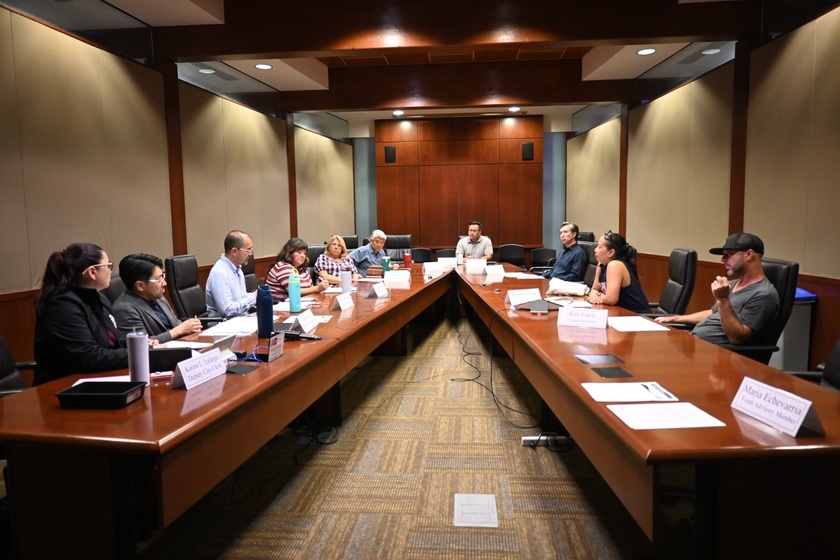
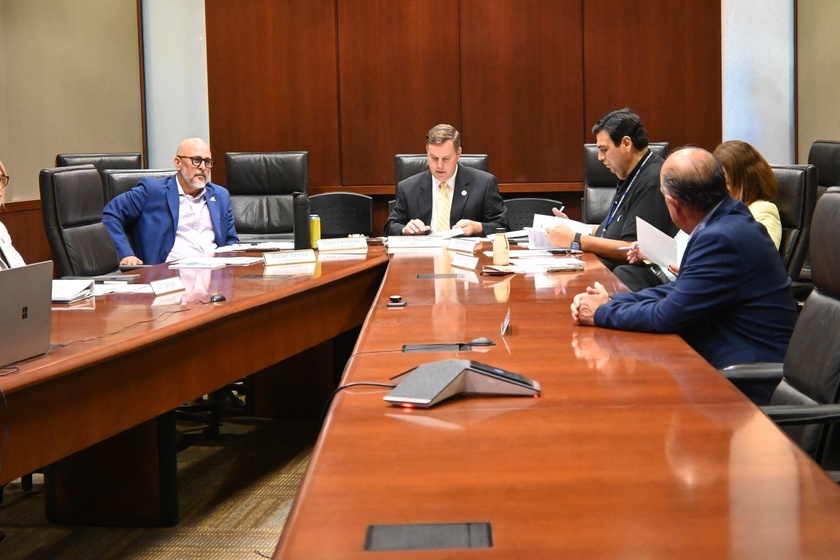
SAN DIEGO — The San Diego Metropolitan Transit System Board of Directors met on Oct. 15, 2026, at the James R. Mills Building. The board voted 11-3, with one member absent, to adopt proposed Ordinance No. 15, which would move most fare-evasion and minor conduct citations out of criminal court and into an MTS-run administrative penalty program. Staff put the estimated effective date at Jan. 1, 2029. The board also amended the FY2027 operating budget to add about $3.7 million in projected fare revenue, and heard frontline workers ask for health insurance rates equal to management's.
Health care costs. In general public comment, MTS employees said their health insurance costs rose in 2026 and are set to rise again in 2027. Andrew Roman, who said he has worked at MTS for five years and is a SMART union member, said that starting Jan. 1, 2027, he will pay "$3,200 more per year than management pays for the exact same coverage." He asked the board to direct MTS leadership to work with the union to equalize rates before the January increase. An earlier speaker said MTS had offered to contribute 5% more toward employee premiums in exchange for changes to PTO policies. LRV electromechanic and Navy veteran Brandon Burgos and a 13-year trolley employee made similar requests.
Consent calendar. The board approved consent items 3 through 11, moved by Director Hall and seconded by Director Downey, with 10 members voting yes and five absent. One speaker, a train operator, objected to a CEO report item listing an employee taco truck event as a notable achievement, saying it is scheduled when management takes lunch.
FY2027 budget amendment. Staff (Mike Thompson, with a financial planning manager) said the fare changes that took effect Oct. 1 are now projected to add about $3.7 million in fare revenue this fiscal year. That figure starts from a SANDAG fare-model estimate of about $9 million, less about $5.3 million for the PRONTO LIFE fare-freeze program for eligible low-income riders. Staff now project 1.4% ridership growth, down from 2.3%, and about $87 million in passenger fare revenue. The five-year forecast still shows FY2027–FY2029 balanced, with about a $50 million gap in FY2030, down from about $80 million in June. The board approved Resolution 26-18, moved by a board member and seconded by Vice Chair Goble, 11-0 with four absent.
Administrative penalty program. MTS counsel Karen Landers presented the Public Security Committee's recommendation to use Public Utilities Code Section 99580 instead of criminal citations under Penal Code 640. Under the proposal, a first citation would carry a $75 fine with 21 days to pay or request initial review; it would rise to $100 after the first deadline and go to collections after 90 days, at a $125 maximum. Ten of the 13 violations allowed by state law would be covered. Spitting, carrying hazardous materials, and urinating or defecating on MTS property would stay criminal, as would a third or later violation of the same type. The program would replace MTS's current diversion program ($25 fine or three hours of community service within 120 days), which Landers said about 15% to 20% of cited riders use; the rest go to court. Staff estimated about $375,000 in one-time costs, $600,000 to $725,000 a year to run, and a net annual cost of about $340,000 to $465,000 after fine revenue. MTS would keep 100% of the penalty revenue.
A speaker from PATH spoke in support: "giving someone a criminal record over a missed $3 trolley ticket doesn't make sense." Public Security Committee chair and Chair Pro Tem Monica Montgomery Steppe moved the recommendations, saying, "We start administratively and we don't start criminally." Directors Downey, Foster, Elo-Rivera and Smith and another board member spoke in support. Vice Chair Goble said the plan was "tougher than the existing program" and costs more, and said he could not support it. Director Hall called the cost figures "speculation" and said, "We just can't afford it." A board member asked staff to report how much staff time officers now spend at court hearings.
The board first voted 14-0, with one absent, to waive reading the ordinance in full (moved by Hall, seconded by Montgomery Steppe). It then adopted the remaining recommendations, including Ordinance No. 15. The motion passed 11-3, with one absent; Vice Chair Goble and Director Hall spoke against it. Staff said a program manager position could come back as early as the Nov. 19 meeting.
Other business. The PRONTO LIFE update (item 14) was sent to the board by email instead of being presented. In the FY2026 performance report presented by Brent Boyd, staff said ridership rose about 0.1% for the year and about 2% in the fourth quarter, with preliminary first-quarter FY2027 data up about 5%. Passengers per revenue hour rose about 8% in Q4. MTS moved from 21st to 13th nationally in ridership, staff said. Chair Whitburn congratulated staff on MTS receiving the American Public Transportation Association's Outstanding Public Transportation System Award. After closed session, counsel reported that the board gave instructions in Edmundson v. San Diego Metropolitan Transit System and took no reportable action on the CEO's performance evaluation and labor negotiations. The meeting adjourned at 12:22 PM. The next meeting is Nov. 19 at 9 AM.
This article was generated from audio of the public meeting and reviewed. Names and figures are reported as stated at the meeting.
Watch the livestream on Rumble:
Listen to the podcast on Substack: https://172287.substack.com/p/mts-board-of-directors-oct-15-2026
Sources
- MTS Board of Directors agenda, Oct. 15, 2026: https://www.sdmts.com/sites/default/files/2026-10-15---board-agenda.pdf
- MTS board meetings page: https://www.sdmts.com/about/meetings-and-agendas/board-meetings
- MTS Board of Directors roster: https://www.sdmts.com/about/meetings-and-agendas/board-directors